


Can prenatal examinations prevent the birth of a child with Down syndrome?
Mar 04, 2025
Source: Cainiu Health

Dr. Zhang Lu
Introduction
Prenatal screening during pregnancy, such as Down syndrome screening, can assess the risk of fetal Down syndrome through blood tests and ultrasound examinations. For example, non-invasive prenatal genetic testing can more accurately identify fetuses at high risk for Down syndrome by analyzing free fetal DNA in the mother's blood. If a high risk is detected, doctors will perform further diagnostic tests.
Prenatal examinations can prevent the birth of babies with Down syndrome to some extent, but cannot completely prevent it. It is recommended to properly regulate health and regularly visit the hospital for check-ups.
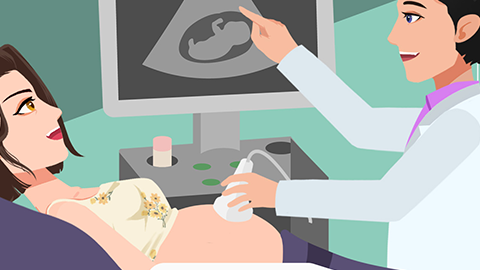
Prenatal screening during pregnancy, such as Down syndrome screening, can assess the risk of the fetus having Down syndrome through blood tests and ultrasound examinations. For example, non-invasive prenatal genetic testing can more accurately identify high-risk cases of Down syndrome by analyzing free fetal DNA in the pregnant woman's blood. Once a high risk is detected, doctors will recommend further diagnostic tests, such as amniocentesis or chorionic villus sampling, to confirm whether Down syndrome is present.
However, it should be noted that the occurrence of Down syndrome is accidental and random; even if all prenatal examinations are normal, it cannot guarantee complete prevention of the birth of a baby with Down syndrome. In addition, factors such as maternal age, genetic factors, and environmental factors may all influence the incidence of Down syndrome. Therefore, in addition to prenatal examinations, pregnant women should also maintain a healthy lifestyle to reduce the risk of fetal disorders.
In daily life, it is recommended that pregnant women undergo regular prenatal screening and necessary diagnostic tests under the guidance of a doctor.



