Is there a relationship between liver and kidney function and sedation effects?
Mar 05, 2025
Source: Cainiu Health

Dr. Yang Guang
Introduction
In general, liver and kidney function is related to the sedative effect. When a patient's liver and kidney function is normal, the drug can be metabolized and cleared at the expected rate, remaining in the body for a relatively short time, resulting in a possibly shorter duration of sedation and fewer side effects. However, if the patient's liver and kidney function is impaired, the sedative effect of the drug may be enhanced, potentially leading to side effects.
Under normal circumstances, liver and kidney function are related to the sedative effect. The specific analysis is as follows:
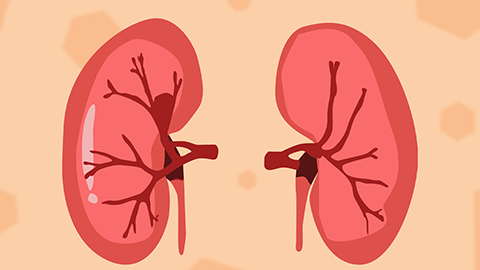
The liver is the primary organ for drug metabolism. Most sedative drugs undergo biotransformation via microsomal enzymes in the liver, forming metabolites with higher water solubility. When a patient's liver and kidney functions are normal, the drug can be metabolized and eliminated at the expected rate, remaining in the body for a relatively short time, potentially resulting in a brief sedative effect and fewer side effects.
However, if a patient's liver and kidney functions are impaired, drug metabolism and excretion may slow down, leading to drug accumulation in the body, thereby enhancing the sedative effects of the drug and potentially causing side effects. In such cases, patients should use sedative medications cautiously and adjust the dosage and treatment plan according to individual conditions under a physician's guidance. If signs of drug accumulation or toxicity appear, administration should be stopped immediately and medical treatment sought.
It is recommended to maintain a regular daily routine and ensure sufficient sleep to help enhance physical resistance, maintain good liver and kidney function, and thereby improve the effectiveness of drug therapy.