


What is the primary function of the digestive glands?
Mar 06, 2025
Source: Cainiu Health

Dr. Shen Yonghua
Introduction
The main functions of the digestive glands include secreting digestive fluids, breaking down food components, regulating the internal environment of the gastrointestinal tract, protecting the gastrointestinal mucosa, and participating in metabolism and detoxification. Maintaining normal function of the digestive glands is an important foundation for preserving human health under all circumstances. If you experience any abnormal symptoms or have concerns related to the digestive system, you should seek medical attention promptly and follow the advice of a qualified physician.
Under normal circumstances, the main functions of digestive glands include secreting digestive fluids, breaking down food components, regulating the internal environment of the digestive tract, protecting the digestive mucosa, and participating in metabolism and detoxification. A detailed explanation is as follows:
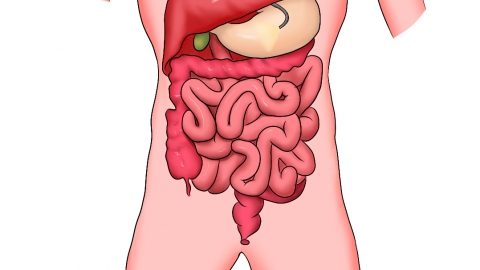
1. Secretion of Digestive Fluids
Digestive glands can secrete various digestive fluids, such as saliva, gastric juice, pancreatic juice, bile, and intestinal fluid. These fluids contain multiple digestive enzymes and electrolytes that chemically digest food.
2. Breakdown of Food Components
Digestive enzymes in the digestive fluids can decompose complex components in food, such as starch, proteins, and fats, converting them into simpler absorbable molecules like glucose, amino acids, and fatty acids.
3. Regulation of the Digestive Tract Environment
Digestive fluids can alter the pH level within the digestive tract to meet the activity requirements of digestive enzymes. Additionally, digestive fluids can dilute food to match its osmotic pressure with that of plasma, facilitating nutrient absorption.
4. Protection of the Digestive Mucosa
Certain components in digestive fluids, such as mucus and antibodies, help protect the digestive mucosa from physical and chemical damage. Mucoproteins and bicarbonate in gastric juice can adhere to the surface of the stomach lining, protecting it from damage.
5. Participation in Metabolism and Detoxification
As the largest digestive gland in the human body, the liver not only secretes bile but also participates in the metabolism of carbohydrates, lipids, amino acids, and other substances. It can store various nutrients, detoxify, and transform, decompose, and excrete harmful substances from the body.
In all cases, maintaining the normal function of digestive glands is a crucial foundation for sustaining human health. If there are any abnormal symptoms or concerns related to the digestive system, medical attention should be sought promptly, and professional medical advice should be followed.






