


What are the symptoms of influenza A complicated with pneumonia?
Mar 09, 2025
Source: Cainiu Health

Dr. Ren Yi
Introduction
The symptoms of influenza A complicated with pneumonia include high fever, cough, sputum production, difficulty breathing, and chest pain. It is important to maintain a regular lifestyle, ensure adequate sleep, follow a balanced diet, consume more foods rich in vitamins and protein, and engage in moderate physical exercise, such as walking or yoga, to enhance immune function and improve the body's resistance to viruses.
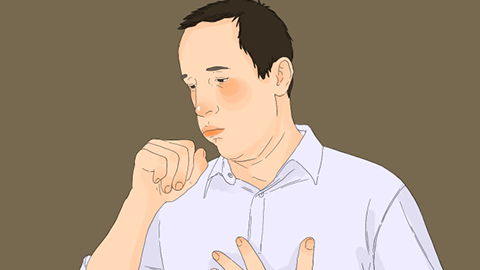
Generally speaking, "Avian Flu" refers to Influenza A. Symptoms of Influenza A complicated with pneumonia include high fever, cough, sputum production, difficulty breathing, and chest pain. A detailed explanation is as follows:
1. High Fever
After the Influenza A virus infects the human body, it stimulates the immune system to produce an immune response, releasing endogenous pyrogens such as interleukin-1 and tumor necrosis factor. These substances act on the hypothalamic thermoregulatory center, shifting the body's temperature set point upward, thus causing elevated body temperature. The temperature can generally rise to 39°C or even higher, and may persist for 3-5 days or longer.
2. Cough
Viral infection causes damage to the respiratory mucosa, triggering an inflammatory response that stimulates cough receptors in the respiratory tract. Inflammation also increases respiratory secretions. These factors together trigger coughing via neural reflexes, helping to clear secretions and pathogens from the respiratory tract.
3. Sputum Production
Pneumonia causes congestion and edema of the alveoli and bronchial mucosa, with increased mucus secretion from mucous cells. Combined with inflammatory exudates, dead cell debris, and pathogens, these form sputum. Patients may cough up white mucus sputum or yellow purulent sputum.
4. Difficulty Breathing
Viral infection-induced inflammation of the alveoli and interstitial lung tissue reduces the gas exchange area. Inflammation can also narrow the airways and impair ventilation function, hindering oxygen intake and carbon dioxide excretion, thus causing difficulty breathing. Patients may exhibit rapid breathing, labored breathing, and wheezing.
5. Chest Pain
Pneumonia can involve the pleura. When the pleura becomes inflamed, friction between the visceral and parietal layers increases. During respiration, the two layers rub against each other, stimulating nerve endings and causing chest pain. This pain is often described as sharp or a pulling sensation, and may worsen during deep breaths or coughing.
Maintain a regular lifestyle, ensure adequate sleep, eat a balanced diet rich in vitamins and proteins, and engage in moderate physical exercise such as walking or yoga to enhance immune function and improve resistance to viruses.



