


Can I eat turtle jelly (guilinggao) if I have a cough with phlegm?
Mar 12, 2025
Source: Cainiu Health

Dr. Ren Yi
Introduction
In general, whether phlegm-producing cough can be treated with turtle jelly (Guiling膏) needs to be determined based on the cause of the cough and the individual's health condition. If the phlegm-producing cough is caused by a mild upper respiratory tract infection and the patient has no other serious illnesses, moderate consumption of turtle jelly is usually safe. However, if the cough is due to wind-cold invasion and the individual has a weak constitution, turtle jelly should not be consumed.
Generally speaking, whether coughing with phlegm can be treated with turtle jelly (Guilinggao) depends on the cause of the cough and the individual's health condition. If the cough with phlegm is caused by a mild upper respiratory tract infection and the patient has no other serious diseases, moderate consumption of turtle jelly is usually safe. However, if it is a wind-cold cough and the person's physical condition is weak, turtle jelly should not be consumed. Detailed explanations are as follows:
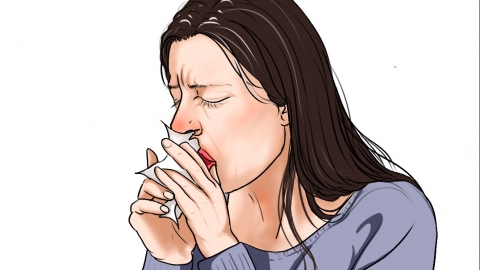
If the cough with phlegm is caused by a mild upper respiratory tract infection and the patient does not have other serious conditions, such as diabetes or digestive system diseases, moderate consumption of turtle jelly is generally safe. Turtle jelly has effects of clearing heat and detoxifying, moistening the lungs, and relieving cough, and may provide some auxiliary benefit in alleviating cough with phlegm caused by internal heat.
However, if the cough is due to wind-cold invasion and the patient's physical condition is weak, turtle jelly should not be consumed. Wind-cold cough is caused by exposure to cold pathogens and impaired lung function. Patients often have a constitution that is inherently weak. Turtle jelly is a cooling food, and consuming cold or cool foods at this time is not conducive to recovery and may even worsen the condition.
In daily life, it is important to maintain a reasonable dietary balance, avoid excessive food intake at one time, and ensure a balanced diet.





