


What are the symptoms of gastric mucosal prolapse?
Mar 12, 2025
Source: Cainiu Health

Dr. Bai Hongmei
Introduction
In general, gastric mucosal prolapse refers to the prolapse of the gastric mucosa. Gastric mucosal prolapse may primarily be caused by factors such as inflammation of the antrum and abnormal gastric peristalsis. Its symptoms may include abdominal pain, upper gastrointestinal bleeding, nausea, vomiting, dyspepsia, weight loss, and others. In daily life, one should maintain regular eating habits, chew food thoroughly and slowly, avoid overeating, and consume less greasy, spicy, cold, raw, or gas-producing foods.
Generally, gastric mucosal prolapse refers to the prolapse of the gastric mucosa. This condition is mainly caused by factors such as inflammation of the gastric antrum and abnormal gastric peristalsis. Its symptoms may include abdominal pain, upper gastrointestinal bleeding, nausea and vomiting, indigestion, weight loss, and others. If discomfort occurs, timely medical attention is recommended. Detailed explanations are as follows:
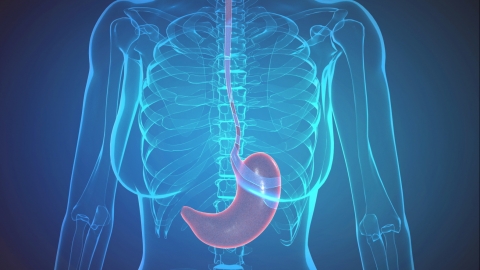
1. Abdominal Pain
Due to the prolapse of gastric mucosa into the pylorus, pyloric obstruction occurs, impeding gastric emptying. The stomach muscles contract strongly in an attempt to expel contents, causing abdominal pain. The pain typically lacks a clear pattern and can vary in nature—ranging from dull aching to severe pain. In some patients, pain worsens after eating, causing significant discomfort.
2. Upper Gastrointestinal Bleeding
The prolapsed gastric mucosa repeatedly experiences compression and friction at the pylorus, leading to mucosal damage. Rupture of blood vessels at the injured site causes blood to flow into the digestive tract, resulting in upper gastrointestinal bleeding. Mild cases may present with positive fecal occult blood tests, while severe cases may involve hematemesis (vomiting blood) or melena (black tarry stools). Prolonged blood loss may also lead to anemia.
3. Nausea and Vomiting
Gastric mucosal prolapse disrupts pyloric function and interferes with normal gastric peristalsis and emptying. Increased gastric pressure stimulates the vomiting center, triggering nausea and vomiting. The vomitus typically consists of gastric contents. Severe vomiting can lead to electrolyte imbalance and dehydration.
4. Indigestion
Gastric mucosal prolapse affects normal digestive function, preventing adequate mixing, grinding, and digestion of food within the stomach. Secretion of digestive fluids is also disrupted, leading to symptoms of indigestion such as loss of appetite, postprandial fullness, belching, and acid reflux. These disturbances impair nutrient absorption and reduce quality of life.
5. Weight Loss
Chronic indigestion leads to insufficient nutrient intake, compounded by impaired eating due to symptoms such as abdominal pain, nausea, and vomiting. The body remains in a state of negative nitrogen balance for prolonged periods, failing to obtain sufficient energy and nutrients to maintain normal metabolism and physiological functions, resulting in gradual weight loss, physical wasting, and weakness.
In daily life, attention should be paid to maintaining regular eating habits, chewing food thoroughly and slowly, avoiding overeating, consuming less greasy, spicy, cold, or gas-producing foods, maintaining a cheerful mood, and engaging in appropriate physical activity to promote gastrointestinal motility.




