


What are the manifestations and symptoms of calcium deficiency?
Mar 12, 2025
Source: Cainiu Health

Dr. Bai Hongmei
Introduction
In general, calcium deficiency may lead to symptoms such as bone pain, muscle cramps, joint pain, dental problems, and fatigue. In daily life, it is recommended to consume more calcium-rich foods, such as dairy products, soy products, fish and shrimp, and leafy green vegetables. Additionally, it is important to include foods rich in vitamin D, such as animal liver and egg yolks, to promote calcium absorption.
Generally, calcium deficiency may present symptoms such as bone pain, muscle spasms, joint pain, dental problems, fatigue, and lethargy. Detailed analysis is as follows:
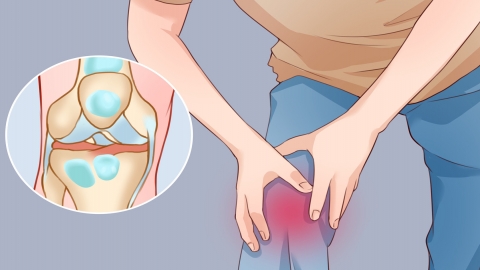
1. Bone Pain
Calcium is a primary component of bones. Calcium deficiency can lead to reduced bone density and bone mass, which may cause bone pain. This pain commonly occurs in the lower back, legs, and other areas and can vary in intensity, manifesting as dull, aching, or sharp pain.
2. Muscle Spasms
Calcium ions play a crucial role in muscle contraction and relaxation. When blood calcium levels drop, muscle excitability increases, making spasms more likely. These often manifest as sudden cramping or stiffness in leg or foot muscles, accompanied by severe pain lasting from several seconds to several minutes.
3. Joint Pain
Calcium is essential for the normal metabolism and repair of articular cartilage. Calcium deficiency can impair cartilage health, accelerating joint wear and causing symptoms such as joint pain, swelling, and limited mobility. Pain may become particularly noticeable when climbing stairs or squatting.
4. Dental Problems
Calcium is an essential component of teeth. Calcium deficiency can cause poor tooth development, damage to the enamel, and increased tooth fragility, making teeth prone to breakage, cavities, and loosening. In children, calcium deficiency may affect the normal eruption and alignment of permanent teeth, while in adults, it may lead to premature tooth loss.
5. Fatigue and Lethargy
Calcium participates in various physiological metabolic processes in the body. Deficiency can impair the normal function of nerves and muscles, leading to fatigue and weakness. Even after adequate rest, individuals may feel listless and experience slow recovery of physical strength.
In daily life, it is recommended to consume more calcium-rich foods such as dairy products, soy products, fish and shrimp, and leafy green vegetables. At the same time, it is important to include foods rich in vitamin D, such as animal liver and egg yolks, to promote calcium absorption. Additionally, moderate exercise and sun exposure can not only strengthen bones and muscles but also promote vitamin D synthesis, aiding in calcium absorption by the body.







