


Can mild subclinical hypothyroidism resolve on its own?
Mar 13, 2025
Source: Cainiu Health

Dr. Yang Chuanjia
Introduction
In general, mild hypothyroidism refers to subclinical hypothyroidism. For some cases of hypothyroidism caused by temporary factors or medication-induced subclinical hypothyroidism, spontaneous recovery is usually possible. However, subclinical hypothyroidism resulting from autoimmune diseases generally does not resolve spontaneously.
Generally, mild subclinical hypothyroidism refers to subclinical thyroid dysfunction. For hypothyroidism caused by transient factors or medication effects, subclinical hypothyroidism usually resolves spontaneously. However, subclinical hypothyroidism caused by autoimmune diseases generally does not resolve on its own. If discomfort symptoms appear, timely medical attention is recommended. Detailed explanation is as follows:
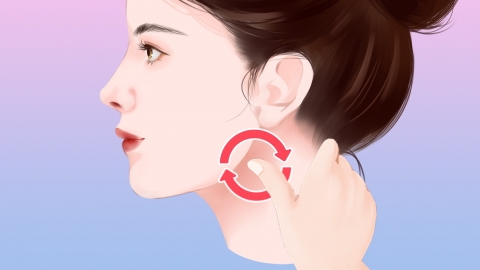
For certain cases of subclinical hypothyroidism, such as thyroid dysfunction caused by transient factors, or subclinical hypothyroidism due to medication effects or temporary autoimmune responses, thyroid function may naturally return to normal after these factors are eliminated, without requiring long-term medication treatment, and generally can resolve spontaneously. It is recommended to regularly monitor thyroid function indicators to detect any changes in condition promptly.
However, subclinical hypothyroidism caused by autoimmune diseases generally cannot resolve on its own. These diseases often lead to permanent damage to the thyroid gland, thus affecting thyroid function. Meanwhile, if a patient's thyroid-stimulating hormone (TSH) levels remain elevated, accompanied by decreased thyroid hormone levels, it usually indicates more severe hypothyroidism, with a low possibility of spontaneous resolution, necessitating active treatment.
In daily life, it is recommended to maintain good lifestyle habits and pay attention to personal physical and mental health.




