


Can Hashimoto's thyroiditis heal on its own?
Mar 13, 2025
Source: Cainiu Health

Dr. Yang Chuanjia
Introduction
Hashimoto's thyroiditis, also known as Hashimoto's disease, may see some improvement in patients with mild thyroid damage and a stable autoimmune status. In such cases, part of the damaged thyroid cells may regain normal structure and function through the body's self-repair mechanisms, aided by the patient's immune system regulation. However, if the condition is severe or the autoimmune status is significantly compromised, spontaneous recovery is unlikely.
Hashimoto's thyroiditis, also known as chronic lymphocytic thyroiditis, may have the potential for spontaneous recovery if the condition is mild. However, if the disease is severe or the patient's immune status is compromised, self-resolution is unlikely. If abnormalities occur, timely medical consultation is recommended. Detailed explanation is as follows:
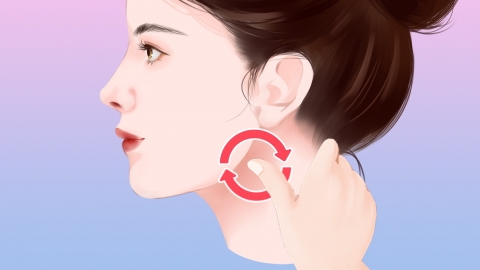
If a patient with Hashimoto's thyroiditis has a stable immune system and only minor thyroid damage, some damaged thyroid cells may regain normal structure and function through the body's self-repair mechanisms, thanks to the immune system's ability to self-regulate.
However, if the condition is severe or the immune status is poor, the patient's body will produce autoantibodies targeting the thyroid, such as thyroid peroxidase antibodies and thyroglobulin antibodies. These antibodies continuously attack the thyroid tissue, leading to destruction and atrophy of thyroid follicles, thereby affecting the normal structure and function of the thyroid gland. Such damage is often irreversible, and factors that effectively promote self-healing are usually lacking, thus requiring lifelong treatment.
In daily life, maintaining a healthy lifestyle, improving dietary habits, engaging in appropriate physical exercise, enhancing physical fitness, and reducing the risk of disease are recommended.







