


How long after a tooth extraction can dental implantation be performed?
Mar 14, 2025
Source: Cainiu Health

Dr. Liu Chao
Introduction
In general, immediate implant placement can be performed at the same time as tooth extraction; early implant placement is conducted 4-8 weeks after extraction; and conventional implant placement is carried out 3-6 months after tooth extraction. Dental implants involve surgically placing an artificial tooth root into the alveolar bone at the site of the missing tooth. After the implant forms a stable osseous integration with the alveolar bone, an abutment and crown are installed onto it, thereby restoring the shape and function of the missing tooth.
Generally, dental implants involve surgically placing an artificial tooth root into the alveolar bone at the site of tooth loss to restore the form and function of the missing tooth. The usual reference price for a single dental implant ranges from 3,000 to 20,000 yuan. Improvement is typically noticeable 3–6 months after surgery, although symptoms such as redness and pain may occur. Immediate implantation can be performed simultaneously with tooth extraction; early implantation takes place 4–8 weeks after extraction; conventional implantation is conducted 3–6 months post-extraction. Detailed explanations are as follows:
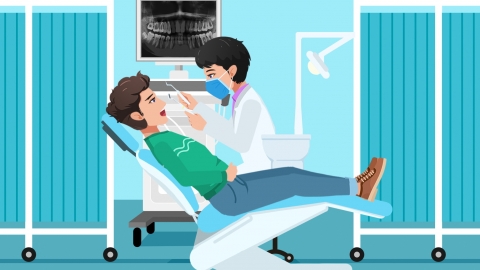
Immediate implantation is suitable for cases where there is no significant inflammation in the tooth root, the alveolar bone condition is relatively good, and the patient's general health permits the procedure. Placing the implant immediately after tooth extraction reduces the number of surgical procedures and shortens the treatment duration. It also allows utilization of the original socket morphology, which benefits implant positioning and initial stability.
Early implantation is performed 4–8 weeks after tooth extraction. At this stage, the extraction wound has undergone initial healing and the alveolar bone begins to remodel. Compared with immediate implantation, the alveolar bone has partially recovered and can provide better initial stability for the implant.
Conventional implantation is scheduled 3–6 months after tooth extraction, by which time the alveolar bone has largely completed remodeling and its density and shape have become relatively stable. This provides sufficient support and an optimal osseointegration environment for the implant, resulting in a higher success rate. However, if the extraction caused significant trauma, there is evident inflammation in the alveolar bone, or the patient suffers from systemic diseases that affect healing, the implantation may need to be further postponed.
It is recommended to visit a reputable hospital and undergo the above procedures under the guidance of qualified dentists to ensure the safety and stability of the surgery. Oral hygiene should be carefully maintained before tooth extraction to reduce the risk of wound infection, promote post-extraction healing, and thus establish a favorable oral condition for subsequent implant treatment.


