


What causes bloating and pain in the lower abdomen?
Mar 17, 2025
Source: Cainiu Health

Dr. Wang Lei
Introduction
Ingesting excessive amounts of gas-producing foods in a short period or eating too quickly and swallowing large amounts of air can easily cause abdominal bloating and pain. It is important to chew food thoroughly and eat slowly in daily meals, while reducing the intake of gas-producing foods. If bloating and pain have already occurred, appropriate physical activity may help promote gastrointestinal motility and facilitate gas expulsion. During a woman's menstrual period, the uterine lining releases prostaglandins, which stimulate uterine contractions and can cause lower abdominal bloating and pain.
Lower abdominal distension and pain may be caused by improper diet, menstrual discomfort, pelvic inflammatory disease, cystitis, irritable bowel syndrome, etc., and can be managed according to different situations. If the body experiences discomfort symptoms, it is recommended to seek medical attention at a hospital as soon as possible and follow medical advice for treatment.
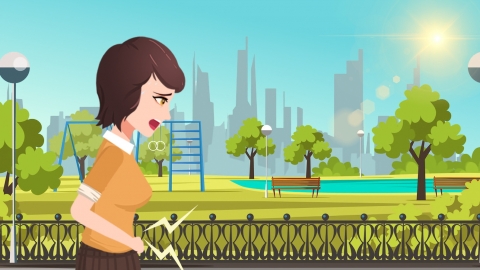
1. Improper diet: Consuming excessive gas-producing foods within a short time or eating too quickly and swallowing large amounts of air may easily cause lower abdominal distension and pain. Daily dietary habits should emphasize chewing food slowly and reducing intake of gas-producing foods. If distension and pain have already occurred, appropriate movement can help promote gastrointestinal motility and accelerate gas expulsion.
2. Menstrual discomfort: During the menstrual period in women, the endometrium releases prostaglandins, which stimulate uterine contractions, causing lower abdominal distension and pain, which may also be accompanied by back pain and fatigue. Abdominal warmth should be maintained during menstruation, and a hot water bag can be used for heat application. Additionally, ensure adequate rest, avoid strenuous exercise, and drink some brown sugar water to alleviate discomfort.
3. Pelvic inflammatory disease: Often caused by infections following childbirth or abortion, or poor hygiene during menstruation, allowing pathogens to invade pelvic reproductive organs, causing inflammation, lower abdominal distension and pain, often worsening after sexual intercourse or physical activity, accompanied by increased vaginal discharge and odor. Patients can follow medical guidance to use medications such as metronidazole tablets, cefixime capsules, and gynecological qianjin tablets to alleviate symptoms.
4. Cystitis: Bacterial infection of the bladder mucosa causes inflammation, leading to lower abdominal distension and pain, often accompanied by urinary tract irritation symptoms such as frequent urination, urgency, and painful urination. It is recommended to use medications such as levofloxacin tablets, sanjin tablets, and sodium bicarbonate tablets under medical guidance to relieve discomfort.
5. Irritable bowel syndrome: Under the influence of various factors such as diet and mental state, intestinal dysfunction occurs, causing lower abdominal distension and pain, with non-specific pain locations, often accompanied by diarrhea or constipation, and symptoms may alleviate after defecation. Patients can follow medical advice to use medications such as pinaverium bromide tablets, trimebutine maleate tablets, and bifidobacterium quadruple viable tablets to improve symptoms.
In daily life, gentle abdominal massage can also be performed, centering on the navel and massaging in clockwise circular motions for 10-15 minutes each session.
References:
[1] Zheng Qiangping, Zhang Peng. Research progress on intravesical platelet-rich plasma therapy for interstitial cystitis/painful bladder syndrome[J]. Journal of Clinical Urology, 2025, 40(02): 141-146.
[2] Fang Feifei, Hou Xiaohua, Song Jun. Current status and progress in pain treatment for irritable bowel syndrome[J]. Gastroenterology, 2022, 27(07): 434-438.





