What are the causes of spitting up in newborns?
Mar 18, 2025
Source: Cainiu Health

Dr. Zhou Xiaofeng
Introduction
Under normal circumstances, infant regurgitation may be caused by an underdeveloped digestive system, eating too quickly or overfeeding, gastroesophageal reflux, acute gastroenteritis, congenital digestive tract malformations, and other related factors. Symptomatic management usually includes general treatment, medication, or surgical interventions. It is recommended to use the correct breastfeeding position in daily life to facilitate smooth entry of milk into the stomach, which can help reduce the likelihood of regurgitation.
Generally, spitting up in newborns may be caused by factors such as an immature digestive system, eating too quickly or overfeeding, gastroesophageal reflux, acute gastroenteritis, or congenital digestive tract malformations. Symptomatic management may involve general treatments, medication, or surgical interventions. If symptoms persist or cause concern, prompt medical evaluation and treatment at a hospital are recommended. A detailed explanation is as follows:
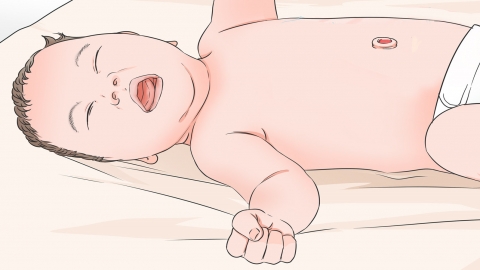
1. Immature Digestive System
In newborns, the digestive system has not yet fully matured, and the function of the esophageal sphincter is incomplete, making it difficult to effectively prevent stomach contents from flowing back into the esophagus. This can cause milk to reflux into the mouth, resulting in spitting up. It is recommended to hold the baby upright and burp them after feeding to help expel air from the stomach and reduce episodes of spitting up.
2. Eating Too Quickly or Overfeeding
When a newborn eats too quickly or consumes more milk than their stomach can hold, pressure within the stomach increases, causing milk to flow back into the esophagus and mouth. To help prevent this, regulate the feeding pace, avoid overfeeding, and ensure the baby does not suck too rapidly. Pay attention to the baby's hunger cues and feed on demand, avoiding forceful feeding.
3. Gastroesophageal Reflux
Gastroesophageal reflux occurs due to dysfunction of the lower esophageal sphincter, allowing stomach acid and digestive juices to flow back into the esophagus. This irritates the esophageal mucosa, causing spitting up and discomfort. Newborns may also display symptoms such as irritability, difficulty swallowing, and slow weight gain. It is recommended to follow a physician's advice regarding medications such as Xiaor Chengqi Pills, Jianwei Xiaoshi Tablets, or Cimetidine Tablets.
4. Acute Gastroenteritis
Acute gastroenteritis is typically caused by infections from bacteria, viruses, or other pathogens. The condition leads to congestion, swelling, and inflammatory exudation of the gastrointestinal mucosa, significantly impairing digestion and the ability to process and expel milk, which may result in spitting up. It may also be accompanied by symptoms such as diarrhea, vomiting, and fever. It is recommended to follow medical advice when using medications such as Cefixime Granules, Fengliao Changweikang Tablets, or Smectite Powder to alleviate symptoms.
5. Congenital Digestive Tract Malformations
Congenital digestive tract malformations, such as congenital hypertrophic pyloric stenosis or congenital megacolon, can affect the structure and function of the newborn's digestive tract, preventing milk from passing normally through and being expelled from the body. This can lead to milk retention in the stomach and cause spitting up, possibly accompanied by symptoms such as abdominal distension, constipation, and delayed growth and development. It is recommended to follow a doctor's guidance regarding surgical interventions such as the Kasai procedure or definitive surgery for congenital megacolon.
It is also recommended to adopt proper feeding positions in daily care, such as holding the baby slightly inclined with the head higher than the body, to facilitate smooth passage of milk into the stomach and help reduce the likelihood of spitting up.