What causes gastric acid reflux?
Mar 18, 2025
Source: Cainiu Health

Dr. Shen Yonghua
Introduction
In general, gastroesophageal reflux may be caused by improper diet, unhealthy lifestyle habits, dysfunction of the lower esophageal sphincter, gastroesophageal reflux disease (GERD), gastritis, and other factors. It is recommended to maintain good daily living habits, eat a balanced diet, consume bland foods, and avoid spicy or irritating foods, which can help support overall digestive function.
Under normal circumstances, gastroesophageal reflux may be caused by improper diet, unhealthy lifestyle habits, dysfunction of the lower esophageal sphincter, gastroesophageal reflux disease (GERD), gastritis, and other factors. Symptomatic management through general treatment and medication is usually needed. If symptoms are severe, timely medical consultation and examination are recommended for targeted treatment. Detailed analysis is as follows:
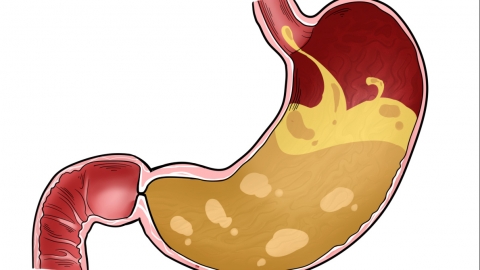
1. Improper Diet
An unreasonable diet, such as consumption of high-fat, greasy, spicy, or irritating foods, can promote gastric acid reflux. These foods stimulate gastric acid secretion and reduce the tension of the lower esophageal sphincter, making it easier for gastric acid to flow back into the esophagus. Symptoms such as abdominal distension, belching, and upper abdominal discomfort may accompany this condition. It is recommended to adjust the diet, avoid high-fat, greasy, and irritating foods, and consume more bland and easily digestible foods.
2. Unhealthy Lifestyle Habits
Overeating, eating too quickly, lying down immediately after meals, or engaging in vigorous physical activity can all increase intragastric pressure and lead to acid reflux. Additionally, long-term smoking and alcohol consumption, as well as wearing tight-fitting clothing, may exert pressure on the stomach, impair gastric emptying, and trigger acid reflux, which may be accompanied by symptoms such as stomach discomfort, bloating, and nausea. It is recommended to improve lifestyle habits, avoid overeating and rapid eating, remain upright or walk slowly after meals, and avoid wearing tight clothing.
3. Dysfunction of the Lower Esophageal Sphincter
The lower esophageal sphincter is a ring of muscle located at the junction between the esophagus and the stomach. Its primary function is to close after swallowing and prevent the backflow of gastric contents into the esophagus. When this muscle group weakens or malfunctions, it may cause gastric acid reflux, often accompanied by retrosternal burning sensation, heartburn, belching, and other discomforts. It is recommended to use medications such as omeprazole enteric-coated capsules, ranitidine tablets, and domperidone tablets under medical guidance for treatment.
4. Gastroesophageal Reflux Disease (GERD)
Due to structural and functional abnormalities in the anti-reflux barrier and dysfunction of the lower esophageal sphincter, gastric acid flows back into the esophagus, irritating the esophageal mucosa and causing symptoms. Additional symptoms such as sour belching, throat burning, and vomiting may also occur. It is recommended to follow medical advice and use medications such as pantoprazole sodium enteric-coated tablets, omeprazole enteric-coated tablets, and mosapride tablets to relieve symptoms.
5. Gastritis
Gastritis can occur due to immune or infectious factors, leading to damage of the gastric mucosa, abnormal gastric acid secretion, and weakened gastric motility, which makes acid reflux more likely. Symptoms such as nausea, vomiting, and loss of appetite may also occur. It is recommended to use medications such as复合消化酶胶囊 (combined digestive enzyme capsules), potassium bismuth citrate tablets, and colloidal pectin bismuth capsules under medical supervision for treatment.
It is recommended to maintain healthy lifestyle habits, eat a balanced diet, and avoid spicy and irritating foods to support overall digestive function.
References
[1] Wang Tianxi, Zhuang Lianzhu, Zhang Zhitai. Effect of Mosapride Tablets Combined with Omeprazole Enteric-Coated Tablets in the Treatment of Gastroesophageal Reflux Disease [J]. Shenzhen Journal of Integrated Traditional Chinese and Western Medicine, 2022, 32(15): 109-111.
[2] Li Xingwei, Zhang Pei. Clinical Observation of Potassium Bismuth Citrate Combined with Triple Therapy in the Treatment of Chronic Gastritis Caused by Helicobacter pylori Infection [J]. Tianjin Pharmacy, 2021, 33(01): 43-45.