


What is Cold Uterus?
Mar 19, 2025
Source: Cainiu Health

Dr. Zhang Lu
Introduction
Gonghan refers to a pathological condition in women caused by insufficient yang energy and excessive coldness, leading to a lack of warmth in the uterus. In traditional Chinese medicine (TCM) theory, gonghan is usually associated with kidney-yang deficiency, biqi (blood and qi) deficiency, and other factors; it is a manifestation of excessive cold and insufficient yang energy within a woman's body. In daily life, women should try to avoid consuming raw, cold, or cooling foods, and instead eat more warming foods, which can help regulate and improve gonghan.
Generally,宫寒 (gōng hán) refers to a pathological condition in women caused by insufficient yang energy and excessive coldness, leading to a lack of warmth in the uterus. In traditional Chinese medicine (TCM) theory, 宫寒 is usually associated with kidney yang deficiency, deficiency of both qi and blood, and other factors. It is a manifestation of excessive internal coldness and insufficient yang energy in women's bodies. A detailed analysis is as follows:
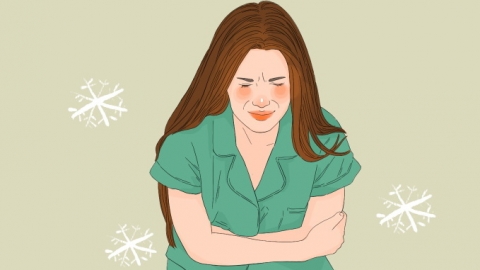
宫寒 typically causes a series of symptoms in women, such as menstrual irregularities, specifically manifested as delayed menstruation, reduced menstrual flow, pale menstrual blood, and dysmenorrhea. In severe cases, amenorrhea, edema during menstruation, and diarrhea during menstrual periods may also occur. Additionally, women with 宫寒 are usually more sensitive to cold than others, often feeling cold in their hands, feet, and lower abdomen, and the sensation may persist even after adding more clothing. At the same time, these women often have weak constitutions, easily feel fatigued and tired, and are more prone to illness. 宫寒 may also affect the female reproductive system, potentially leading to infertility or recurrent spontaneous miscarriages. These symptoms not only affect women's physical health but may also have adverse effects on their mental well-being.
In daily life, women should try to avoid consuming raw, cold, or cooling foods, such as ice cream and cold beverages. Instead, they should eat more warm-natured foods, such as ginger, red dates, and longan, which help regulate 宫寒. At the same time, extra attention should be paid to keeping warm in cold seasons or environments, especially in areas prone to cold invasion, such as the waist and abdomen, to prevent cold pathogens from entering the body.



