


What causes excessive flatulence?
Mar 20, 2025
Source: Cainiu Health

Dr. Shen Yonghua
Introduction
When eating quickly, a large amount of air is swallowed along with food into the gastrointestinal tract, leading to frequent gas expulsion. One should chew food thoroughly and eat slowly, chewing each bite 15–20 times, to reduce the amount of swallowed air. Certain foods such as beans, onions, and sweet potatoes produce significant amounts of gas when broken down and fermented by bacteria in the intestines.
Flatulence refers to the release of gas from the digestive system through the rectum. Increased flatulence may be caused by eating too quickly, consuming excessive gas-producing foods, indigestion, intestinal flora imbalance, or irritable bowel syndrome (IBS). Appropriate measures can be taken according to the specific cause. If discomfort occurs, timely medical consultation is recommended to avoid delays in treatment.
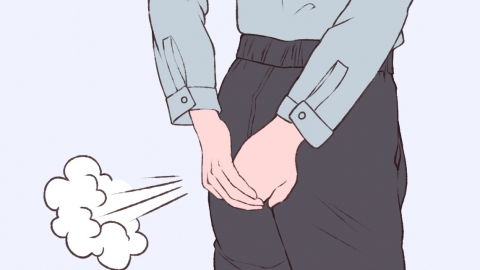
1. Eating too quickly: When eating rapidly, large amounts of air are swallowed along with food into the gastrointestinal tract, leading to frequent flatulence. One should eat slowly and chew food thoroughly, aiming for 15–20 chews per bite, to reduce swallowed air.
2. Consuming excessive gas-producing foods: Foods such as legumes, onions, and sweet potatoes can produce significant gas when fermented and broken down by bacteria in the intestines, resulting in increased flatulence. It is recommended to moderate the intake of these gas-producing foods and opt more for vegetables, fruits, and grains, which are less likely to produce gas.
3. Indigestion: Weakened gastrointestinal motility or insufficient secretion of digestive enzymes may lead to inadequate digestion and absorption of food in the gastrointestinal tract, prolonging its retention time and causing excessive gas production due to fermentation. This may manifest as bloating, frequent flatulence, and may be accompanied by symptoms such as loss of appetite and nausea. It is recommended to take medications such as domperidone tablets, Jianwei Xiaoshi tablets (herbal digestive aid), or compound digestive enzyme capsules under a doctor's guidance to alleviate symptoms.
4. Intestinal flora imbalance: Long-term antibiotic use and irregular dietary habits may disrupt the balance of normal intestinal flora, allowing harmful bacteria to proliferate and produce excessive gas, leading to increased flatulence, which may be accompanied by abdominal pain, diarrhea, or constipation. Patients may take medications such as Bifidobacterium quadruple-active tablets, Bacillus licheniformis capsules, or Lactobacillus tablets under medical guidance to regulate intestinal flora and relieve discomfort.
5. Irritable Bowel Syndrome (IBS): Multiple factors, including diet and emotional stress, may interact to cause intestinal dysfunction, abnormal intestinal motility, and increased intestinal sensitivity, resulting in increased flatulence. Symptoms often include abdominal pain, diarrhea, or constipation, which are related to emotional and dietary factors. It is recommended to use medications such as pinaverium bromide tablets, compound alverine citrate soft capsules, or smectite powder under a doctor's guidance to improve symptoms.
Regular physical activity, such as walking, running, or jumping rope, for 20–30 minutes, 3–5 times per week, can help stimulate intestinal motility and facilitate gas expulsion.
References:
[1] Wang Bo. Expert Recommendations on Rational Medication Use for Chinese Families with Indigestion (Popular Science Practice Edition)[J]. Chinese Journal of Gastroenterology, 2024, 29(06): 334–339.
[2] Liu Meng, Zhang Guo'an, Guo Qingwei, et al. Research Progress on the Relationship between Intestinal Flora Imbalance and Infectious Diseases[J]. Chinese Journal of Pathogenic Biology, 2025, 20(02): 262–266+271.


