


What are the causes of pulmonary vascular dilation?
Mar 24, 2025
Source: Cainiu Health

Dr. Ren Yi
Introduction
Under normal circumstances, pulmonary vascular dilation may be caused by factors such as aging, vigorous exercise or emotional excitement, temperature changes, pneumonia, or pulmonary hypertension. Symptomatic management through general treatment and medication is usually required. In daily life, it is recommended to maintain healthy lifestyle habits to help reduce the risk of developing lung diseases.
Under normal circumstances, pulmonary vascular dilation may be caused by factors such as aging, vigorous exercise or emotional excitement, temperature changes, pneumonia, or pulmonary hypertension. Symptomatic management through general treatment and medication may be necessary. If discomfort occurs, timely medical consultation is recommended, and treatment should be conducted under a physician's guidance. Detailed explanations are as follows:
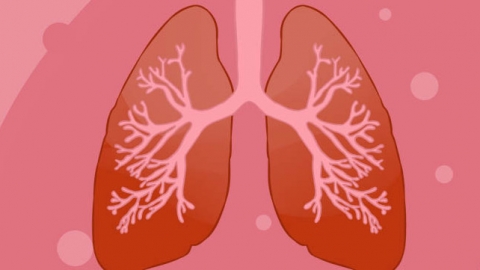
1. Aging
With advancing age, blood vessel walls gradually lose elasticity, and collagen fibers increase, causing the vessel walls to become stiff and reducing their ability to adapt to blood pressure changes, which may lead to vascular dilation. Maintaining healthy lifestyle habits, such as smoking cessation, limiting alcohol consumption, balanced nutrition, and moderate exercise, can help delay vascular aging.
2. Vigorous Exercise or Emotional Excitement
Undertaking intense physical activity or experiencing strong emotional excitement within a short time may cause slight dilation of the pulmonary capillaries, which is usually a normal physiological phenomenon and does not require specific treatment. The condition typically returns to normal after rest or emotional stabilization.
3. Temperature Changes
When the body is exposed to a cold environment, it increases blood flow by dilating pulmonary blood vessels to generate more heat and maintain body temperature balance. This is a natural thermoregulatory mechanism. It is recommended to wear appropriate clothing to stay warm and avoid prolonged exposure to extreme cold.
4. Pneumonia
Pneumonia may be caused by infection with pathogens such as bacteria or viruses, leading to inflammatory responses in the lungs. Under inflammatory stimulation, small pulmonary blood vessels may dilate, often accompanied by symptoms such as fever, cough, and sputum production. It is recommended to take medications such as amoxicillin capsules and azithromycin tablets under medical guidance for treatment.
5. Pulmonary Hypertension
Pulmonary hypertension can be caused by multiple factors, including genetic predisposition, lung disease, and heart disease, leading to increased pulmonary vascular resistance. To maintain normal blood flow, the pulmonary vessels undergo compensatory dilation, which may be accompanied by symptoms such as dyspnea, chest pain, and syncope. It is recommended to use medications such as bosentan tablets, ambrisentan tablets, and inhaled iloprost solution to reduce pulmonary artery pressure and improve pulmonary vascular function.
In daily life, maintaining healthy lifestyle habits, such as smoking cessation, alcohol moderation, balanced nutrition, and moderate exercise, can help reduce the risk of developing lung diseases.
References
[1] He Quanying. Interpretation of GOLD 2025 Edition [J]. Chinese Journal of Medicine and Pharmacy, 2025, 27(01): 58-63.
[2] Zhou Yingzhen, Wang Ting, Fu Xingmeng, et al. Prognosis of Bronchopulmonary Dysplasia [J]. Chinese Journal of Contemporary Pediatrics, 2025, 27(01): 115-120.



