What are the causes of cerebral ischemia during weight loss?
Mar 24, 2025
Source: Cainiu Health

Dr. Tian Hongbo
Introduction
Excessive restriction of food intake during weight loss can lead to inadequate nutrition and insufficient energy supply in the body. This results in reduced glucose levels in the blood, which cannot provide sufficient energy for the brain, potentially causing cerebral ischemia, often accompanied by symptoms such as dizziness, fatigue, and palpitations. It is recommended to plan meals reasonably, ensure balanced intake of nutrients such as carbohydrates, proteins, and fats, follow the principle of eating smaller, more frequent meals, and gradually increase food intake.
Brain ischemia during weight loss may be caused by excessive dieting, overly intense exercise, hypotension, anemia, or cervical spondylosis. Management can vary depending on the specific situation. If physical discomfort occurs, it is recommended to seek medical attention promptly and follow medical advice for treatment.
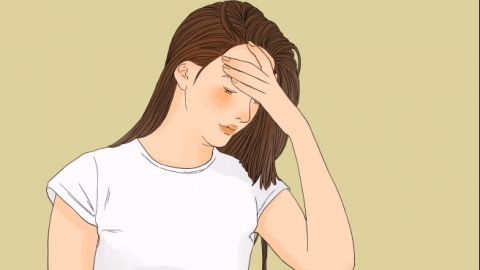
1. Excessive dieting: Overly restricting food intake during weight loss can lead to insufficient nutrition and energy supply, reducing glucose levels in the blood and preventing the brain from receiving adequate energy, which may cause brain ischemia. This is often accompanied by symptoms such as dizziness, fatigue, and palpitations. It is recommended to plan meals reasonably, ensure balanced intake of carbohydrates, proteins, and fats, follow the principle of eating smaller meals more frequently, and gradually increase food intake.
2. Excessive exercise intensity: Performing high-intensity exercise within a short period significantly increases the body's oxygen demand, prioritizing blood flow to the muscles and relatively reducing cerebral blood supply, which can lead to brain ischemia. Sudden dizziness or vision darkening during or after exercise may occur. It is recommended to gradually increase exercise intensity, warm up adequately before exercising, and stretch properly afterward.
3. Hypotension: During weight loss, excessive fluid loss or nutritional deficiencies may lead to reduced blood pressure, weakening the heart's ability to pump sufficient blood to the brain, causing brain ischemia. Symptoms may include dizziness, visual darkening, and unsteady standing, particularly noticeable upon sudden standing. Patients may use medications such as Shengmai Yin, Midodrine tablets, or Ephedrine tablets under medical guidance to raise blood pressure and improve cerebral blood supply.
4. Anemia: An improper diet during weight loss, with insufficient intake of iron and vitamin B12, may lead to anemia, reducing the blood's oxygen-carrying capacity and resulting in inadequate oxygen supply to the brain, causing brain ischemia. Symptoms may include pale complexion, fatigue, and easy exhaustion. It is recommended to follow medical advice to treat anemia with medications such as Ferrous Sulfate tablets, Vitamin B12 tablets, and Folic Acid tablets to improve blood oxygen-carrying capacity and alleviate brain ischemia symptoms.
5. Cervical spondylosis: Long-term poor posture, such as bending the head forward during exercise or looking at mobile phones for extended periods, can worsen cervical spine disease, compressing neck blood vessels and impeding cerebral blood flow, leading to brain ischemia. Patients may also experience neck pain and stiffness. It is recommended to use medications such as Jingfukang Granules, Mecobalamin tablets, or Flunarizine Hydrochloride Capsules under medical guidance to promote recovery.
In daily life, a balanced diet is recommended to ensure adequate intake of proteins, vitamins, and minerals. Consulting a nutritionist to develop a reasonable diet plan and supplementing with nutritional supplements when necessary is also advised.
References:
[1] Luo Weizhi. The Impact of Anemia on Prognosis of Patients with Acute Ischemic Stroke [D]. China Three Gorges University, 2022.
[2] Chen Wanting, Cai Wenqin, Teng Zhongming, et al. Orthostatic Hypotension and Major Cardiovascular Diseases: A Systematic Review and Meta-Analysis [J]. Chinese Journal of Hypertension (Chinese and English), 2025, 33(02): 163-170.