


Can aspirin treat headaches and cerebral hypoperfusion?
Mar 03, 2025
Source: Cainiu Health

Dr. Tian Hongbo
Introduction
Aspirin is commonly available in tablet form. Aspirin can generally be used to treat tension headaches, migraines, and cerebral ischemia (insufficient blood supply to the brain). However, during the acute phase of these conditions, this medication is not recommended for treatment. It is advised to seek timely medical evaluation at a hospital and undergo symptomatic treatment under a physician's guidance. Patients experiencing headaches or cerebral ischemia should also ensure adequate rest and avoid excessive fatigue and stress.
Aspirin is commonly available in tablet form. Aspirin can generally treat tension headaches, migraines, and cerebral ischemia. However, during the acute attack stage, it is not recommended to use this medication for treatment. It is advisable to promptly visit a hospital for examination and receive symptomatic treatment under the guidance of a physician. Detailed analysis is as follows:
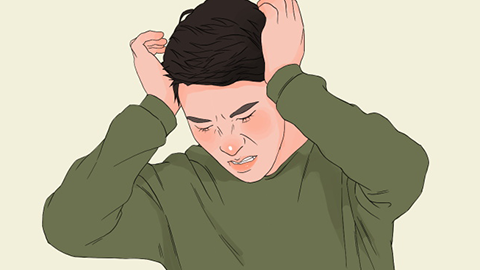
Aspirin is a nonsteroidal anti-inflammatory drug (NSAID) that has analgesic, anti-inflammatory, and antipyretic effects. By inhibiting the activity of cyclooxygenase and reducing the synthesis of prostaglandins, it exerts its analgesic effect. Aspirin can alleviate headaches to some extent and has certain therapeutic effects on tension headaches and migraines. Cerebral ischemia may be caused by factors such as impaired local blood circulation, prolonged lack of sleep, and vascular spasms, leading to symptoms such as dizziness, headache, and limb weakness. Aspirin may help relieve these symptoms.
Not all types of headaches are suitable for treatment with aspirin. If the condition is acute cerebral ischemia, this medication may not be very effective. For example, using aspirin in cases of hemorrhagic stroke may actually increase the risk of bleeding. Therefore, without a clear diagnosis, aspirin should not be used arbitrarily.
Patients with headaches and cerebral ischemia should also focus on rest, avoid excessive fatigue and stress, and maintain good living habits and a regular schedule, which helps reduce the occurrence of these conditions.






