What are the causes and treatments for skin itching?
Mar 24, 2025
Source: Cainiu Health

Dr. Liu Wenmin
Introduction
Under normal circumstances, possible causes of skin itching may include dry skin, seasonal changes, poor hygiene, urticaria, eczema, etc. Symptomatic management is required through general treatment, medication, and other methods. In daily life, maintaining good living habits and a positive mindset can help prevent the occurrence and worsening of skin itching.
Generally, possible causes of skin itching may include dry skin, seasonal changes, poor hygiene, urticaria, eczema, etc. Symptomatic management through general treatment and medication is usually required. If discomfort occurs, it is recommended to seek medical attention promptly and undergo appropriate treatment under a doctor's guidance. Detailed analysis is as follows:
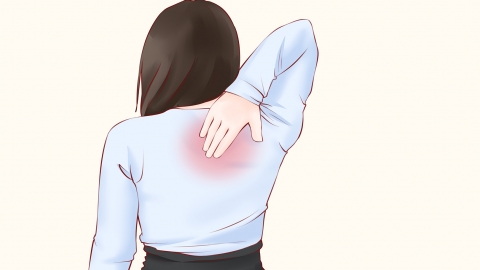
1. Dry Skin
In dry environments, skin moisture is easily lost, leading to dryness and itching. The skin may exhibit flaking and tightness. It is recommended to drink an adequate amount of water, approximately 2 liters daily, which can help improve skin dryness.
2. Seasonal Changes
Fluctuations in humidity and temperature during seasonal transitions can cause imbalances in skin moisture. Particularly when transitioning from warm, humid summers to cold, dry winters, the skin becomes more prone to dryness and itching, which may be accompanied by symptoms such as dry skin and redness. It is recommended to use a humidifier to regulate indoor humidity.
3. Poor Hygiene
Neglecting personal hygiene in daily life can lead to the accumulation of dirt and metabolic waste on the skin surface, potentially irritating the nerve endings and causing itching, which may be accompanied by oily skin and odor. It is recommended to bathe daily, promptly wipe the skin with a towel, and maintain skin cleanliness. Additionally, keep clothing and bedding clean to prevent bacterial growth.
4. Urticaria
Urticaria is associated with allergic reactions. When the body has an allergic reaction to food, medications, pollen, or other allergens, inflammatory mediators such as histamine are released, causing skin vasodilation and tissue edema, which leads to itching and redness. Symptoms may be accompanied by sensations of burning, pain, and emotional tension. It is recommended to follow medical advice and take medications such as ephedrine diphenhydramine tablets, cetirizine hydrochloride tablets, or fexofenadine hydrochloride tablets to alleviate symptoms.
5. Eczema
Eczema is related to multiple factors, including genetic predisposition, immune system dysfunction, and impaired skin barrier function, which lead to inflammatory skin reactions, causing itching and skin lesions. Patients may experience symptoms such as dry skin, cracking, and bleeding. It is recommended to use medications such as clobetasol propionate cream, zinc oxide ointment, and calamine lotion under a doctor's guidance.
In daily life, maintaining good habits and a positive mindset can help prevent the occurrence and worsening of skin itching.
References
[1] Qu Yiping, Yang Tingting, Qin Qian, et al. Analysis of Non-Pharmacological Therapies for Eczema and Their Effects [J]. Journal of Shanxi University of Traditional Chinese Medicine, 2025, 26(02): 227-231.
[1] Zhang Sheng, Su Wei, Zhang Gaolei, et al. How to Correctly Identify and Manage Childhood Urticaria? [J]. Guide to Maternal and Child Health, 2025, 4(03): 12-14.