


What causes itchy skin?
Nov 25, 2024
Source: Cainiu Health

Dr. Liu Wenmin
Introduction
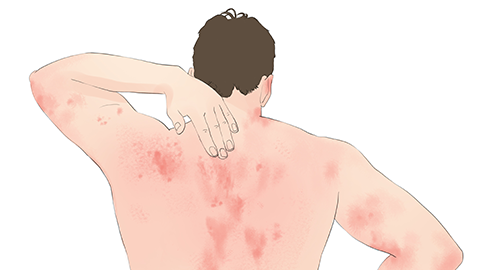
In general, skin itching may be caused by factors such as seasonal changes, dry skin, contact dermatitis, eczema, or urticaria. If discomfort symptoms occur, it is recommended to seek medical attention promptly and receive symptomatic treatment under the guidance of a qualified physician. Patients are advised to maintain good lifestyle habits and pay attention to personal hygiene and protective measures, which can help promote recovery.
Generally, skin itching may be caused by factors such as seasonal changes, dry skin, contact dermatitis, eczema, urticaria, and others. If discomfort symptoms occur, it is recommended to seek timely medical attention and undergo symptomatic treatment under the guidance of a qualified physician. Detailed analysis is as follows:
1. Seasonal Changes
During seasonal transitions, significant fluctuations in humidity and temperature in the air can weaken the skin's barrier function, allowing external irritants to penetrate the skin more easily and cause itching. It is recommended to regularly use moisturizing products to maintain skin hydration.
2. Dry Skin
The surface of the skin has a protective lipid layer. When the skin lacks sufficient moisture and oils, dry skin can crack easily, stimulating nerve endings and causing itching. It is recommended to keep the skin moisturized by regularly using creams or lotions to reduce moisture loss.
3. Contact Dermatitis
Contact dermatitis is an inflammatory reaction caused when the skin or mucous membranes come into contact with irritating or allergenic substances, leading to skin itching. It is usually accompanied by rashes such as erythema, papules, and vesicles. Patients should follow medical advice to use medications such as Loratadine tablets, Compound Chlorpheniramine Maleate tablets, and Hydrocortisone tablets.
4. Eczema
Eczema may be triggered by factors such as excessive mental stress or humid environments. Patients with eczema often have compromised skin barrier function, making the skin more susceptible to external irritants, which can trigger inflammatory reactions and cause itching. Symptoms usually include skin erythema, vesicles, erosion, and others. Patients can use medications such as Desonide cream, Fexofenadine Hydrochloride tablets, and Erythromycin ointment under a doctor's guidance.
5. Urticaria (Hives)
Urticaria is typically an allergic reaction caused by allergens such as food or insect bites. When the body is exposed to allergens, the immune system releases chemical substances like histamine, causing blood vessel dilation and edema in skin tissues, which leads to itching. Symptoms often include skin erythema, swelling, and a burning sensation. It is recommended to use medications such as Cetirizine tablets, Loratadine tablets, and Calamine lotion according to medical instructions.
Patients are advised to maintain healthy lifestyle habits and avoid consuming oily, spicy, or other irritating foods. Additionally, getting adequate rest and maintaining personal hygiene and protective measures can help promote recovery.


