


Can Hei Shun Pian be used to make soup?
Mar 26, 2025
Source: Cainiu Health

Dr. Zhang Xiuhong
Introduction
Black processed aconite root (Hei Shun Pian) has effects of restoring Yang to rescue from collapse, supplementing fire to enhance Yang, dispersing cold, and relieving pain. For conditions characterized by deficiency of Yang Qi and excessive internal cold due to Yin, appropriate use of Black processed aconite root in soup may provide certain regulatory benefits. Particularly during winter, moderate consumption of soup prepared with Black processed aconite root can help expel cold and improve the body's ability to withstand cold. However, due to its intense heat property and toxicity, excessive or improper use of Black processed aconite root may lead to poisoning reactions.
Black processed aconite root (Hei Shun Pian) is commonly used for stewing soups, but its usage should follow medical advice. If there are any concerns, it is recommended to consult a healthcare professional beforehand. Detailed explanations are as follows:
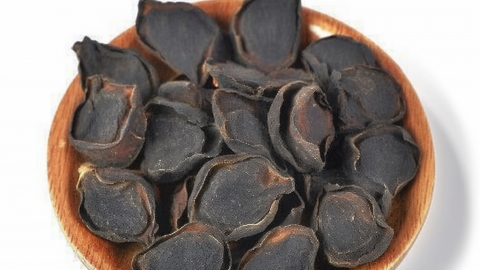
Black processed aconite root has effects of restoring yang to rescue from collapse, supplementing fire to reinforce yang, and dispersing cold to relieve pain. For conditions caused by deficiency of yang qi and excessive internal cold, appropriate usage of black processed aconite root in soups may provide certain therapeutic benefits. Particularly during winter, moderate consumption of such soups can help dispel cold, keep warm, and enhance the body's resistance to cold.
However, black processed aconite root is strongly hot in nature and toxic. Overdose or improper use may lead to poisoning symptoms such as numbness of the mouth and tongue, nausea, vomiting, and difficulty breathing. Therefore, pregnant women, lactating women, children, and individuals with weak constitutions, heat syndromes, or yin deficiency with fire hyperactivity should avoid or use black processed aconite root with caution.
Prior to using black processed aconite root for stewing soups, it is essential to consult a qualified traditional Chinese medicine practitioner to ensure that your body constitution and health status are suitable for its use. At the same time, strictly control the dosage to avoid poisoning due to excessive intake.





