


What are the risks of using Hei Shun Pian (Aconiti Lateralis Radix Praeparata) and Ban Xia (Pinelliae Rhizoma) together?
Apr 18, 2025
Source: Cainiu Health

Dr. Zhang Xiuhong
Introduction
Black顺片 contains toxic alkaloids such as aconitine, and Banxia contains calcium oxalate needle crystals and irritating components. The combined use of both may enhance toxicity to the heart and nervous system, increasing the risk of arrhythmia and respiratory paralysis. Banxia irritates the gastric mucosa, and when used with Black顺片 may exacerbate gastrointestinal damage, causing nausea, vomiting, abdominal pain, and in severe cases, worsening of gastrointestinal bleeding or ulcers.
Generally, the concurrent use of Heishunpian (Aconiti Lateralis Radix Praeparata) and Banxia (Pinelliae Rhizoma) may pose risks such as toxicity accumulation, gastrointestinal damage, respiratory depression, pharmacological interactions, and allergic reactions. If any abnormalities occur, prompt medical attention is recommended. Detailed analysis is as follows:
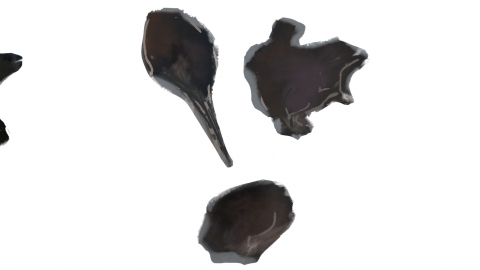
1. Toxicity Accumulation: Heishunpian contains toxic alkaloids such as aconitine, while Banxia contains calcium oxalate crystals and irritating components. Concurrent use may enhance toxicity to the heart and nervous system, increasing the risk of arrhythmia and respiratory paralysis.
2. Gastrointestinal Damage: Banxia can irritate gastric mucosa; when used together with Heishunpian, it may exacerbate gastrointestinal injury, causing nausea, vomiting, and abdominal pain, potentially leading to gastrointestinal bleeding or worsening of ulcers in severe cases.
3. Respiratory Depression Risk: Aconitine may suppress the respiratory center, while the pungent-drying nature of Banxia could intensify throat irritation. Combined use may lead to life-threatening reactions such as slowed breathing or suffocation.
4. Pharmacological Interactions: Banxia is warm and drying in nature, while Heishunpian is strongly hot. Their combined use may excessively enhance the warm-drying effect, leading to depletion of body fluids and symptoms such as dry mouth, constipation, and fever, particularly posing higher risks for individuals with yin deficiency and excessive internal heat.
5. Allergic Reactions: Both herbs may trigger allergic responses. Combined use may increase the likelihood of allergic symptoms such as rash, itching, and laryngeal edema, which could potentially induce anaphylactic shock in severe cases.
It is recommended to strictly follow the physician's guidance regarding TCM syndrome differentiation and compatibility. Random combination should be avoided to ensure a balance between medication safety and therapeutic effectiveness, preventing health risks due to improper compatibility.


