


Can Hei Shun Pian and Qing Ban Xia be taken together?
Apr 07, 2025
Source: Cainiu Health

Dr. Zhang Xiuhong
Introduction
Under normal circumstances, Black顺Pian (Black Prepared Slices of Aconite Root) and Qing Ban Xia (Pinellia Tuber) should not be taken together. According to the conventional principles of Chinese herbal compatibility, Qing Ban Xia and Hei Shun Pian are considered incompatible medicines. This means that their properties, tastes, and therapeutic effects may counteract each other, and concurrent use could potentially cause adverse reactions, such as worsening the condition, generating toxicity, or affecting treatment efficacy. It is recommended to consult an experienced traditional Chinese medicine practitioner or pharmacist before taking any Chinese herbal medicine.
Generally speaking, Heishunpian (Radix Aconiti Preparata) and Qingbanxia (Pinelliae Rhizoma Preparatum) should not be taken together. The detailed explanation is as follows:
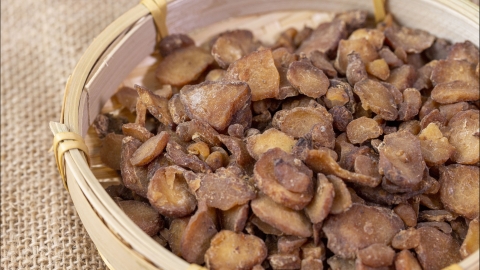
Heishunpian has a pungent and sweet taste and is strongly hot in nature. Its primary functions are to enhance yang energy, dispel cold, and promote blood circulation to remove blood stasis. Qingbanxia is warm and strongly drying, possessing effects of drying dampness, resolving phlegm, clearing heat and detoxifying, reducing adverse qi flow, and relieving vomiting. According to the conventional principles of Chinese herbal compatibility, Qingbanxia and Heishunpian are considered antagonistic herbs. Their properties and effects conflict with each other, and simultaneous use may lead to adverse reactions such as worsening of the condition, generation of toxicity, or reduced therapeutic effectiveness.
It is recommended that before taking any Chinese herbal medicine—especially when combining multiple herbs—you should consult an experienced TCM practitioner or pharmacist to obtain personalized medication guidance, ensuring safety and effectiveness. During the course of treatment, pay attention to physical responses, and if any discomfort occurs, discontinue use immediately and seek timely medical attention.
In daily life, it is advisable to maintain healthy lifestyle habits and avoid consuming foods that may interact with the medications being used, in order to enhance the effectiveness of the treatment.




