Can drinking water infused with cloves cure Helicobacter pylori infection?
Apr 23, 2025
Source: Cainiu Health

Dr. Zhang Xiuhong
Introduction
In general, drinking water infused with cloves cannot treat Helicobacter pylori. Clove tea is not a medication. Although cloves contain substances such as eugenol and oleuropein, which can effectively inhibit various bacteria and bacterial infections, and have functions such as relieving stomach pain, improving digestive function, alleviating nausea and vomiting, they can also protect the gastric mucosa, reduce inflammation and pain, and promote the resolution of gastric mucosal inflammation.
Generally speaking, drinking water infused with clove (Syzygium aromaticum) cannot treat Helicobacter pylori infection. Detailed analysis is as follows:
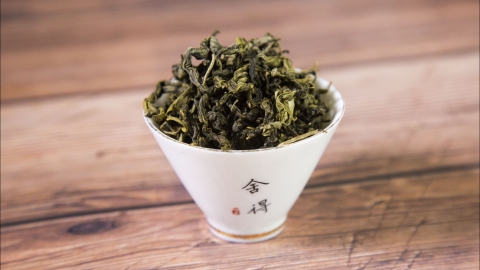
Clove tea is not a medicinal drug. Although cloves contain substances such as eugenol and oleuropein, which can effectively inhibit various bacterial infections and have functions such as relieving stomach pain, improving digestive function, alleviating nausea, vomiting, protecting the gastric mucosa, anti-inflammatory and pain relief effects, and can also promote the healing of gastric mucosal inflammation, it cannot be used as a medication to treat Helicobacter pylori.
Helicobacter pylori is a Gram-negative bacterium that can cause chronic erosive gastritis and gastrointestinal diseases. To eradicate Helicobacter pylori, patients need to undergo standard drug treatment, generally using triple or quadruple therapy. Medications must be used under a doctor's guidance. With active treatment, the condition can be completely cured.
Although drinking clove-infused water cannot treat Helicobacter pylori, it does have certain stomach-nourishing effects. When drinking clove water, one should consume it in moderation to avoid excessive intake that could lead to toxic reactions. Clove should be avoided in cases of excessive internal heat due to excess syndrome or yin deficiency with internal heat. Clove should not be taken together with turmeric (Curcuma aromatica) to prevent adverse reactions.