


What causes a baby to have a low-grade fever?
Apr 24, 2025
Source: Cainiu Health

Dr. Zhou Xiaofeng
Introduction
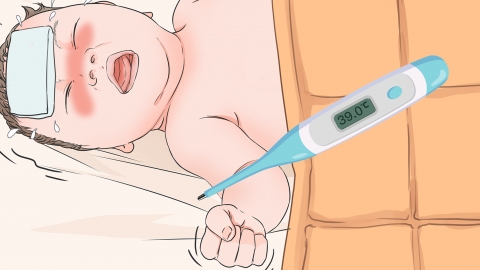
In general, a low-grade fever refers to a mild fever. A baby's low-grade fever may be caused by an underdeveloped thermoregulatory center, excessive activity or crying, common cold, roseola, pneumonia, or other reasons. If discomfort occurs, timely medical attention is recommended. Normally, you should pay attention to the baby's personal hygiene, wash hands frequently, avoid close contact with sick individuals, and reduce the risk of infection.
Generally speaking, a low-grade fever refers to a mild fever. A baby's low-grade fever may be caused by an underdeveloped body temperature regulation center, excessive activity or crying, common cold, roseola infantum, pneumonia, or other reasons. If discomfort occurs, timely medical attention is recommended. The specific analysis is as follows:
1. Underdeveloped Body Temperature Regulation Center
A baby's thermoregulatory center is not yet fully developed, resulting in relatively weak abilities to adapt to environmental temperature changes and self-regulate body temperature. When there are significant temperature fluctuations or the baby is overdressed, body temperature may rise, leading to a mild fever. It is important to maintain suitable indoor temperature and humidity, avoid overdressing or underdressing the baby, and adjust clothing appropriately according to weather conditions.
2. Excessive Activity or Crying
Excessive activity or prolonged crying in babies can increase internal heat production while relatively insufficient heat dissipation can lead to elevated body temperature. It is recommended to arrange the baby's rest and activity schedule reasonably, avoid excessive play and crying, and ensure the baby has sufficient rest time.
3. Common Cold
A common cold is usually caused by viral or bacterial infections and is common during seasonal transitions or weather changes. It may cause increased inflammatory responses in the baby's body, leading to low-grade fever. Symptoms such as nasal congestion and runny nose may also occur. Treatment may include medications like ribavirin granules, amoxicillin-clavulanate potassium granules, and paracetamol oral solution, under the guidance of a physician.
4. Roseola Infantum
Roseola infantum is caused by human herpesvirus 6 infection. In the early stage of the disease, it typically presents as high fever, followed by a rash appearing after the fever subsides. However, in some babies, the initial presentation may only be a mild fever. Symptoms such as rash and decreased appetite may also occur. Patients may follow medical advice to use medications like acyclovir granules, Pudi Lan Xiao Yan oral liquid, and vitamin C effervescent tablets to alleviate symptoms.
5. Pneumonia
Pneumonia is caused by infections from pathogens such as bacteria, viruses, or mycoplasma, which may cause increased inflammatory responses in the baby's lungs, leading to elevated body temperature and the aforementioned symptoms. Symptoms such as rapid breathing and difficulty breathing may also appear. Patients may take medications such as azithromycin for oral suspension, ribavirin injection, and ambroxol hydrochloride oral solution as advised by a physician.
In daily life, attention should be paid to the baby's personal hygiene, frequent handwashing, and avoiding close contact with sick individuals to reduce the risk of infection. Additionally, it is important to arrange the baby's diet and rest schedule reasonably, maintain a balanced nutrition, ensure sufficient sleep time, and enhance immunity.



