


What are the causes of low platelet count?
Apr 24, 2025
Source: Cainiu Health

Dr. Liu Feng
Introduction
During pregnancy, women experience an increase in blood volume, which dilutes the blood and leads to a relative decrease in platelet count. Generally, there are no obvious symptoms, although some pregnant women may develop minor skin bruising. It is recommended to attend regular prenatal checkups and closely monitor platelet levels. Platelet counts typically return to normal gradually after childbirth, and no specific treatment is usually required. Pay attention to maintaining a balanced diet and consume adequate iron and vitamin-rich foods.
Thrombocytopenia may be caused by pregnancy, vigorous exercise, aplastic anemia, idiopathic thrombocytopenic purpura, systemic lupus erythematosus, and other conditions. Appropriate management can be selected based on specific circumstances. If experiencing any physical discomfort, it is recommended to seek medical attention at a hospital promptly and follow medical advice for treatment.
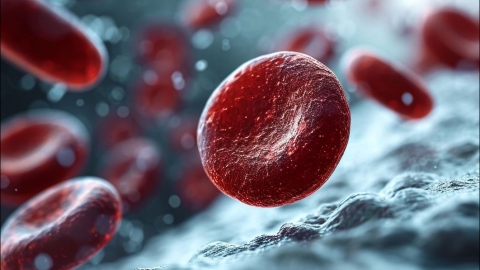
1. Pregnancy: During pregnancy, the increase in blood volume in women leads to diluted blood, resulting in a relative decrease in platelets. Generally, there are no obvious symptoms, although a few pregnant women may experience minor skin bruising. It is recommended to attend regular prenatal checkups and closely monitor platelet levels. Platelet counts usually return to normal gradually after childbirth, and no special treatment is typically required. Maintaining a balanced diet with sufficient iron and vitamin intake is also important.
2. Vigorous Exercise: Following vigorous exercise, increased circulation and altered platelet distribution may cause temporary thrombocytopenia. There may be mild fatigue after exercise, but generally no other significant symptoms. Rest after exercise is important to avoid excessive fatigue, and adequate hydration should be maintained. Platelet counts typically return to normal after rest.
3. Aplastic Anemia: Various factors can lead to bone marrow failure, resulting in pancytopenia, including reduced platelets. Main symptoms include anemia, bleeding, and infections, such as pallor, skin bruising, gum bleeding, fever, etc. Under a doctor's guidance, patients may use medications such as cyclosporine soft capsules, stanozolol tablets, and recombinant human thrombopoietin injections to promote hematopoietic function recovery and increase platelet counts.
4. Idiopathic Thrombocytopenic Purpura: This condition involves immune system dysfunction, where the body produces anti-platelet antibodies, leading to increased platelet destruction. Symptoms include petechiae and ecchymosis on the skin and mucous membranes, nosebleeds, gum bleeding, and, in severe cases, internal bleeding. It is recommended to follow medical advice and use medications such as prednisone acetate tablets, dexamethasone sodium phosphate injections, and intravenous immunoglobulin to suppress the immune response and reduce platelet destruction.
5. Systemic Lupus Erythematosus: This autoimmune disease involves immune system dysregulation, leading to the production of multiple autoantibodies that can destroy platelets. In addition to thrombocytopenia, symptoms may include facial rashes, joint pain, and oral ulcers. Patients should follow medical advice and use medications such as methotrexate tablets, hydroxychloroquine sulfate tablets, and azathioprine tablets to regulate immune function and improve platelet counts.
During treatment, medications or other therapeutic measures should be used under a doctor's guidance based on the specific underlying cause. Maintaining healthy lifestyle habits and a balanced diet to enhance immune function can also help prevent the occurrence of thrombocytopenia.



