


What are the benefits of eating shepherd's purse?
Apr 27, 2025
Source: Cainiu Health

Dr. Yu Yongchao
Introduction
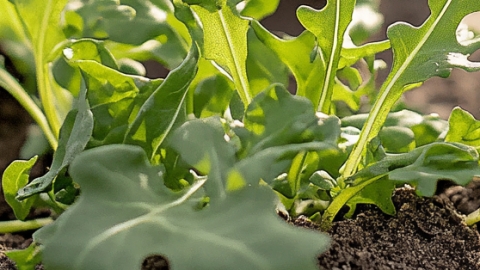
Shepherd's purse is a common wild vegetable with tender green leaves that resemble open lotus flowers, growing close to the ground. It blooms in spring, with clusters of small white flowers adorning the stems, presenting a fresh and delicate appearance. The tender leaves have a delicate texture and are commonly used for making dumplings, cooking soups, or preparing cold dishes, offering a unique aromatic flavor. It is not only nutritious but also believed to have properties that clear heat and detoxify the body, as well as aid in stopping bleeding. It is often used to help manage conditions such as diarrhea and edema.
Generally speaking, the benefits of consuming shepherd's purse include promoting intestinal health, enhancing immunity, protecting vision, supporting cardiovascular health, and improving bone and hematopoietic functions. Details are as follows:
1. Promotes intestinal health: Shepherd's purse is rich in both soluble and insoluble dietary fiber, which helps balance gut microbiota, stimulate intestinal motility, shorten the retention time of food residue, and thus effectively relieve constipation.
2. Enhances immunity: Shepherd's purse contains vitamin C, which enhances immune cell activity and improves disease resistance. Beta-carotene, once converted into vitamin A, provides antioxidant effects, scavenges free radicals, and reduces cellular damage.
3. Protects vision: Shepherd's purse contains abundant vitamin A and lutein. Vitamin A supports the function of retinal photoreceptor cells and helps prevent night blindness and dry eye syndrome. Lutein filters blue light and reduces retinal damage.
4. Supports cardiovascular health: Shepherd's purse contains acetylcholine, flavonoids, and potassium. Together, these components help dilate blood vessels, inhibit platelet aggregation, reduce blood viscosity, remove excess sodium from the body, balance electrolytes, and assist in maintaining stable blood pressure.
5. Enhances bone and hematopoietic function: Shepherd's purse is rich in minerals such as calcium, iron, magnesium, and zinc, which help maintain bone density, promote hemoglobin synthesis, support enzymatic reactions involved in energy metabolism, and accelerate wound healing.
Shepherd's purse is a nutrient-rich wild vegetable with various health benefits. However, excessive consumption should be avoided to prevent placing additional strain on the body. Individuals in special populations, such as those with oxalate kidney stones or those with cold-spleen-and-stomach constitution, should avoid consuming shepherd's purse to prevent potential harm to the body.


