


Can patients with pelvic inflammatory disease eat tamarind?
Apr 29, 2025
Source: Cainiu Health

Dr. Yang Ziqi
Introduction
Under normal circumstances, patients with pelvic inflammatory disease can consume tamarind in moderation, but should avoid long-term and excessive intake. Tamarind contains organic acids such as citric acid, malic acid, and vitamin C, which can aid digestion and enhance appetite, potentially helping to improve loss of appetite that may occur in patients with pelvic inflammatory disease. The flavonoid compounds in tamarind, such as vitexin, possess antibacterial activity.
Generally, patients with pelvic inflammatory disease can consume tamarind in moderation, but long-term and excessive intake should be avoided. The detailed explanation is as follows:
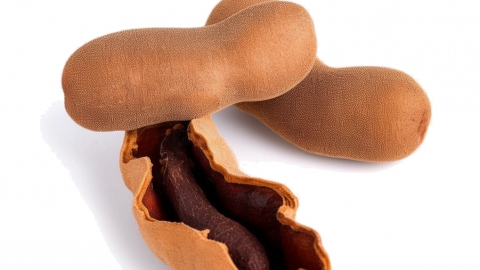
Tamarind contains organic acids, such as citric acid, malic acid, and vitamin C, which can aid digestion and enhance appetite. This may help improve anorexia that may occur in patients with pelvic inflammatory disease. Flavonoids in tamarind, such as vitexin, exhibit antibacterial activity. In vitro experiments have shown that these compounds can inhibit pathogens such as Gram-positive cocci and Escherichia coli, potentially providing indirect assistance in alleviating pelvic inflammation.
However, consumption should be moderate, as tamarind is an acidic food. Excessive intake might stimulate gastric acid secretion and cause gastrointestinal discomfort. If the patient is allergic to tamarind, symptoms such as skin itching and swelling may occur after consumption, and intake should be stopped immediately and medical advice sought. For patients with a history of gastric ulcer or excessive stomach acid, the acidic components in tamarind may worsen their condition, so consumption should be cautious.
Pelvic inflammatory disease patients should avoid consuming spicy and irritating foods such as chili peppers and pickled beans, as well as cold fruits such as watermelons, pears, and seafood, which may exacerbate inflammation or cause discomfort. It is recommended to consume more protein-rich foods such as eggs, fish, lean meat, and fresh vegetables and fruits to strengthen immune function and promote absorption of inflammation. Maintaining external genital hygiene and dryness in daily life, avoiding excessive fatigue, and ensuring sufficient rest are also beneficial for disease recovery.






