


Is it safe to eat tamarind cake that has mold on it?
Apr 29, 2025
Source: Cainiu Health

Dr. Yu Yongchao
Introduction
Under normal circumstances, tamarind cake with mold should not be consumed. Mold is a type of fungus, and once tamarind cake becomes contaminated with mold, the mold can grow and multiply on its surface and inside, potentially producing toxins such as aflatoxins and patulin. These toxins pose significant health risks and may cause acute poisoning symptoms such as nausea, vomiting, and abdominal pain.
Generally speaking, tamarind cake with mold should not be consumed. The detailed explanation is as follows:
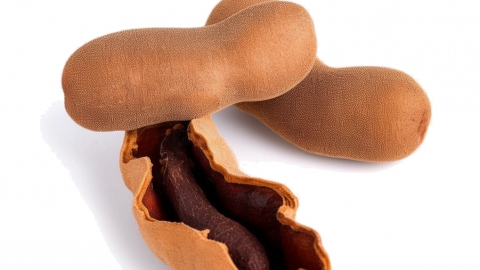
Mold is a type of fungus. Once tamarind cake is contaminated by mold, the mold can grow and multiply on its surface and inside, potentially producing toxins such as aflatoxin and patulin. These toxins pose significant health risks and may cause acute poisoning symptoms such as nausea, vomiting, and abdominal pain. Long-term consumption may also increase the risk of developing chronic diseases.
Furthermore, mold growth can alter the texture of the tamarind cake, causing it to soften, become sticky, or develop an unpleasant odor. These changes not only affect the taste but can also cause discomfort and make the cake difficult to swallow. Such changes in texture also indicate a significant decline in the quality of the tamarind cake, making it unsuitable for consumption.
When storing tamarind cake in daily life, it should be sealed and kept in a cool, dry place, avoiding direct sunlight and high temperatures. Before consumption, carefully inspect the cake. If mold spots, an unusual odor, or texture changes are found, it should be discarded immediately. Do not take chances, to avoid harming your health.




