


What are the commonly used instruments in gynecological surgery?
May 08, 2025
Source: Cainiu Health

Dr. Zhang Lu
Introduction
Under normal circumstances, common gynecological surgical instruments include scissors, forceps, suction devices, hysteroscopes, and uterine dilators. It is recommended to eat more vegetables and fruits in daily life to supplement vitamins and minerals. Consume an appropriate amount of high-quality protein, such as fish and legumes. At the same time, the external genitalia should be washed daily with warm water, avoiding the use of strongly alkaline or irritating cleansing agents.
Generally, common gynecological surgical instruments include scissors, forceps, suction devices, hysteroscopes, and uterine dilators. Detailed explanations are as follows:
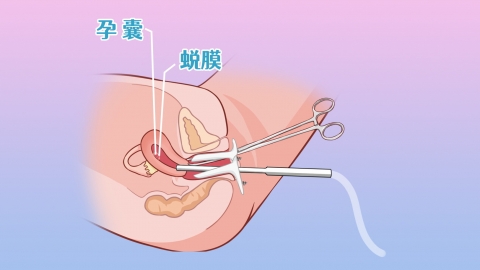
1. Scissors
In gynecological surgery, scissors are primarily used for cutting tissue or trimming suture threads. Common types include bandage scissors and suture剪线剪. Bandage scissors are typically used to cut gauze or sutures during surgery, while suture剪线剪 are specifically designed to precisely trim suture ends, ensuring neat and secure wound closure.
2. Forceps
Common types of forceps instruments include grasping forceps and curette forceps. Grasping forceps are usually used in minimally invasive surgeries and can precisely grasp small tissues or perform delicate operations. Curette forceps are specifically used in abortion procedures to scrape embryonic tissue or residual material from the uterus.
3. Suction Device
A suction device is an instrument used in gynecological surgery to remove blood, irrigation fluid, or other liquids. Common types include handheld suction devices and fixed suction units. These instruments effectively maintain a clear surgical field, facilitate the surgeon's operations, and reduce bleeding and fluid retention during the procedure.
4. Hysteroscope
A hysteroscope is a slender instrument that can be inserted through the vagina and uses a camera to display the interior of the uterus. It is commonly used for diagnosing and treating intrauterine conditions such as polyps or endometriosis.
5. Uterine Dilator
A uterine dilator is an instrument used in gynecological surgery to enlarge the cervical opening. It is typically used before intrauterine examinations or procedures, allowing easier access to the uterine cavity for necessary surgical or diagnostic operations.
It is recommended to eat more vegetables and fruits daily to supplement vitamins and minerals. Consume adequate amounts of high-quality protein, such as fish and legumes. Additionally, wash the external genitalia daily with warm water, and avoid using alkaline or irritating cleansers.


