


How to Choose a Crown for an Implant
May 08, 2025
Source: Cainiu Health

Dr. Liu Chao
Introduction
In general, dental crowns can be selected based on aesthetics, durability, allergic reactions, biocompatibility, and price. When choosing a dental crown, it is advisable to consult a professional dentist, who will provide suitable recommendations based on the patient's specific condition. At the same time, patients should also make their selection according to their own individual circumstances and needs, to ensure they choose the most appropriate crown material for themselves.
Generally, crowns can be selected based on factors such as aesthetics, durability, allergic reactions, biocompatibility, and price. The specific analysis is as follows:
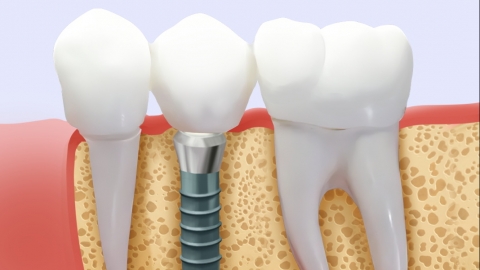
1. Aesthetics
If aesthetics are a priority, all-ceramic crowns can be considered. The color and luster of all-ceramic crowns are very close to natural teeth, meeting the demands of patients with high aesthetic expectations. Glass-ceramic crowns also offer excellent aesthetics but have relatively lower strength and are not suitable for restorations on teeth subjected to heavy chewing forces.
2. Durability
Materials such as metal or porcelain-fused-to-metal crowns have good strength and wear resistance, capable of withstanding significant occlusal forces. Zirconia crowns are high-strength all-ceramic materials that combine aesthetics and durability, making them suitable for implant restorations on both anterior and posterior teeth.
3. Allergic Reactions
Some patients may be allergic to metallic materials such as nickel and chromium. When selecting crown materials, it is important to inform the dentist about any allergy history to avoid potentially allergenic materials. Patients sensitive to metals can choose all-ceramic crowns, which are metal-free and do not cause allergic reactions.
4. Biocompatibility
All-ceramic crowns demonstrate good biocompatibility and do not irritate the gingival tissue or cause gum recession. Titanium alloys are metallic materials with excellent biocompatibility; using titanium alloys for crowns can reduce irritation to surrounding oral soft and hard tissues and promote healing.
5. Price
The prices of crowns made from different materials can vary significantly. Metal crowns are usually less expensive, while all-ceramic crowns are relatively more costly. Selection should be based on one's financial situation. Although all-ceramic crowns are more expensive, they offer better aesthetics and biocompatibility, providing a superior user experience. Therefore, all-ceramic crowns may offer higher cost-effectiveness.
When choosing a crown, it is important to consult with a professional dentist. The dentist will consider the patient's oral condition, personal needs, budget, and other factors to provide suitable recommendations. Additionally, patients should make selections based on their own specific circumstances and needs to ensure the chosen crown material is most suitable for them.







