


How to Treat Patients with Allergic Urticaria
May 08, 2025
Source: Cainiu Health

Dr. Liu Wenmin
Introduction
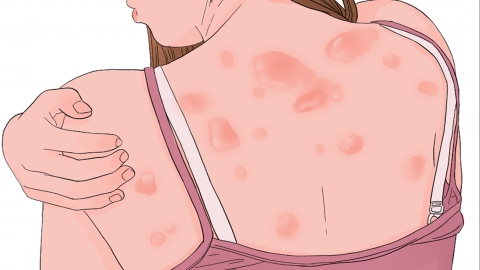
In general, allergic urticaria is mainly caused by the immune system's excessive reaction to certain allergens. Patients with allergic urticaria can follow medical advice to undergo treatment through allergen avoidance, topical medications, oral medications, desensitization therapy, traditional Chinese medicine, and other approaches. If discomfort symptoms occur, prompt medical attention is recommended.
Generally, allergic urticaria is mainly caused by the immune system's excessive reaction to certain allergens. Patients with allergic urticaria can follow medical advice to undergo treatment methods such as avoiding allergens, applying topical medications, taking oral medications, undergoing desensitization therapy, or receiving traditional Chinese medicine treatments. If experiencing any discomfort symptoms, timely medical consultation is recommended. Detailed analysis is as follows:
1. Avoidance of Allergens
Carefully identify and determine the allergens, such as seafood and milk in food, pollen and animal fur among contact substances. Once the allergen is identified, contact or consumption should be stopped immediately.
2. Topical Medications
Patients may, as directed by a physician, apply medications such as calamine lotion, acetic acid cream, or hydrocortisone butyrate cream to the affected area. These medications have anti-inflammatory and antipruritic effects, helping to alleviate skin inflammation and itching.
3. Oral Medications
Patients may take oral antihistamines such as loratadine tablets, levocetirizine hydrochloride capsules, or cyproheptadine hydrochloride tablets under a doctor's guidance. These medications can inhibit allergic reactions and relieve symptoms.
4. Desensitization Therapy
For patients with recurrent and severe allergic urticaria, desensitization therapy may be considered. This involves subcutaneous injection of allergens to help the body develop tolerance to the allergen, thereby achieving a desensitizing effect.
5. Traditional Chinese Medicine (TCM) Therapy
Traditional Chinese medicine treatments such as acupuncture and cupping can serve as complementary therapies. By stimulating specific acupoints, these treatments regulate the flow of qi and blood and improve organ function, thus relieving itching and alleviating symptoms associated with allergic urticaria.
In daily life, patients should avoid known allergens such as pollen and animal fur. Maintaining personal hygiene, frequently changing and washing clothes, and avoiding scratching the affected areas with hands are important to prevent worsening of the condition.






