


What should not be consumed together with Huang Qi (Astragalus) in water?
May 10, 2025
Source: Cainiu Health

Dr. Sun Lianqing
Introduction
South apricot seed (Nan Xing Ren) has a certain effect in moistening the intestines and relieving constipation, while astragalus (Huang Qi) is an excellent herb for replenishing qi and uplifting yang. When steeped together in water, the qi-replenishing effect of astragalus may counteract the intestinal-moistening action of South apricot seed, thereby affecting the efficacy of both herbs. This combination may also cause gastrointestinal dysfunction and lead to discomfort. Radish aids digestion and disperses qi, whereas astragalus is a key herb for boosting qi; combining them may similarly result in conflicting actions.
Astragalus (Huangqi) generally should not be consumed together with apricot kernels (Nan Xingren), radish, Scrophularia root (Xuan Shen), apricot kernels (Xingren), Pinellia (Ban Xia), or other herbs in the form of herbal tea.
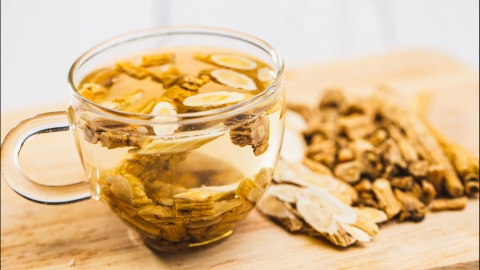
1. Apricot Kernel (Nan Xingren): Apricot kernel has a mild effect of moistening the intestines and relieving constipation, while Astragalus is a good herb for replenishing Qi and uplifting yang energy. When used together in a tea, the Qi-replenishing effect of Astragalus may counteract the intestinal-moistening effect of apricot kernel, interfering with each other's therapeutic actions. This combination may also lead to gastrointestinal dysfunction and cause discomfort.
2. Radish: Radish has properties of aiding digestion and breaking down Qi, whereas Astragalus is primarily used for replenishing Qi. When consumed together in a tea, the Qi-breaking effect of radish may weaken the Qi-replenishing action of Astragalus, reducing its medicinal value and preventing the desired health benefits.
3. Scrophularia Root (Xuan Shen): Scrophularia root is cold in nature and functions to clear heat, cool the blood, nourish yin, and reduce fire. Astragalus, on the other hand, is warm in nature and mainly used for replenishing Qi, uplifting yang, strengthening the defensive system, and consolidating the exterior. These two herbs have opposing properties, and when used together in tea, they may interact negatively, not only reducing their respective therapeutic effects but also potentially causing adverse effects on the body.
4. Apricot Kernels (Xingren): Apricot kernels are divided into bitter apricot kernels and sweet apricot kernels. Bitter apricot kernels are slightly toxic and have functions of lowering Qi, relieving cough, and alleviating asthma. Combining Astragalus with apricot kernels in tea may relatively increase the toxicity of bitter apricot kernels, and their therapeutic effects may interfere with each other, which is not beneficial to health.
5. Pinellia (Ban Xia): Pinellia has effects of drying dampness, resolving phlegm, reversing counterflow, and relieving vomiting. When combined with Astragalus in tea, there may be an interaction between the two herbs, affecting the efficacy of each. Additionally, it may cause adverse reactions such as nausea, vomiting, and other gastrointestinal discomforts.
It is recommended to use Astragalus properly under the guidance of a TCM practitioner, especially when combining it with other herbs or medications. In daily health maintenance, it is important to understand your body constitution and health status to choose suitable methods of养生 (health preservation).





