


What are the causes of stomach cramps from watermelon?
May 13, 2025
Source: Cainiu Health

Dr. Shen Yonghua
Introduction
Under normal circumstances, the causes of stomach cramps from eating watermelon include the watermelon being too cold, excessive consumption, gastric sensitivity, eating on an empty stomach, and spoiled watermelon. To prevent stomach cramps, it is recommended to consume watermelon in moderation, pay attention to its freshness and temperature, and adjust intake according to individual conditions. If discomfort occurs after consumption, prompt medical treatment is advised.
Generally, the causes of stomach cramps induced by watermelon include watermelon being too cold, excessive consumption, sensitive stomach, eating on an empty stomach, and spoiled watermelon. The specific details are as follows:
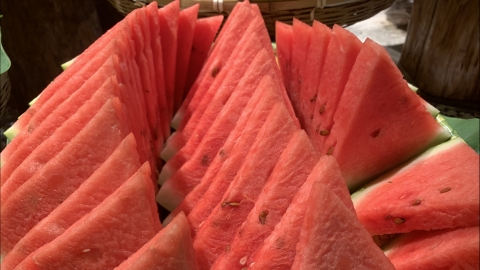
1. Watermelon being too cold: Chilled watermelon is low in temperature and can cause cold stimulation to the stomach after consumption, leading to contraction of blood vessels in the gastric mucosa, thus causing gastric spasm and sudden stomach pain, which may be accompanied by nausea. Avoid eating watermelon straight from the refrigerator; you can place it at room temperature for a while before consumption, or apply a hot water bag to the stomach area to relieve the pain.
2. Excessive consumption: Watermelon has a high water content. Consuming too much at once may dilute gastric juice, affect digestive function, and cause excessive expansion of the stomach, leading to muscular pain in the stomach wall, which may also be accompanied by indigestion. Control the amount of watermelon consumed and avoid overeating. When experiencing pain, drink an appropriate amount of warm water or consume easily digestible food to neutralize stomach acid.
3. Sensitive stomach: Some people have more sensitive stomachs and are less tolerant of components such as sugar and water in watermelon. After consumption, they may easily experience stomach discomfort, which may also be accompanied by symptoms such as bloating and acid reflux. Reduce the frequency and quantity of watermelon consumption, or cut the watermelon into small pieces and eat slowly to reduce irritation to the stomach.
4. Eating on an empty stomach: When the stomach is empty, there is no other food to buffer the stimulation from watermelon. The sugar and water in watermelon may directly stimulate the gastric mucosa, leading to excessive secretion of gastric acid and causing stomach pain, which may also be accompanied by acid reflux. Avoid eating watermelon on an empty stomach; it is recommended to eat about half an hour after a meal. If the pain persists, drink an appropriate amount of warm water or consume easily digestible food to neutralize stomach acid.
5. Spoiled watermelon: Consuming spoiled watermelon may lead to gastrointestinal infection, with bacteria or toxins irritating the gastrointestinal mucosa, causing stomach pain, and possibly fever. Avoid consuming spoiled watermelon and ensure the freshness of the watermelon. If discomfort symptoms appear after consumption, seek immediate medical treatment.
To prevent stomach cramps, consume watermelon reasonably, pay attention to its freshness and temperature, and adjust the amount consumed according to your own condition. If discomfort symptoms occur after consumption, seek timely medical treatment.





