


What tests should be done to diagnose the cause of eyelid swelling?
May 13, 2025
Source: Cainiu Health

Dr. Wang Shuai
Introduction
Eyelid swelling should be evaluated through physical examination, specialized examination, nasal endoscopy, laboratory tests, thyroid function tests, and other diagnostic procedures to determine the underlying cause. These examinations enable physicians to gain a comprehensive understanding of the factors contributing to eyelid swelling, thereby allowing targeted treatment addressing the root cause and helping alleviate patient symptoms. If eyelid swelling persists or is accompanied by additional symptoms, prompt medical consultation is recommended, along with adherence to the physician's guidance for appropriate diagnostic evaluation.
Generally, eyelid swelling should be evaluated through physical examination, specialist examination, nasal endoscopy, laboratory tests, thyroid function tests, and other examinations to determine the underlying cause. The specific details are as follows:
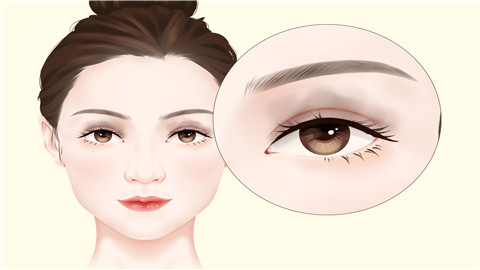
1. Physical Examination
Doctors will observe the appearance of the eye, assess the degree of eyelid swelling, color changes, and whether there are lumps or tenderness, to make a preliminary judgment regarding the cause of eyelid swelling.
2. Specialist Examination
Specialized ophthalmic equipment, such as a slit lamp, will be used for a detailed examination of the eye, including the cornea, iris, and pupil, to determine the specific type of eye swelling and its possible cause.
3. Nasal Endoscopy
If doctors suspect that eyelid swelling is related to sinusitis, nasal endoscopy may be recommended. This examination allows visualization of the interior of the sinuses and helps assess whether nasal conditions such as sinusitis exist.
4. Laboratory Tests
Laboratory tests include complete blood count (CBC), urinalysis, and kidney function tests. These tests help determine whether infectious factors or kidney disease are causing eyelid swelling. Kidney function tests can assess how well the kidneys are functioning and identify any damage or inflammation.
5. Thyroid Function Tests
Abnormal thyroid function can also lead to eyelid swelling. Therefore, doctors may take a blood sample to measure thyroid function and evaluate whether thyroid hormone levels are within normal ranges, to rule out edema caused by thyroid disease.
Through these examinations, doctors can gain a more comprehensive understanding of the cause of eyelid swelling, enabling targeted treatment to help patients alleviate symptoms. If eyelid swelling persists or other symptoms develop, it is recommended to seek medical attention promptly and follow the doctor's advice for appropriate examinations.






