


What causes a dry palate?
May 13, 2025
Source: Cainiu Health

Dr. Liu Chao
Introduction
In general, dryness of the palate may be caused by environmental factors, lifestyle habits, stomatitis, Sjögren's syndrome, diabetes, and other reasons. Symptomatic treatment such as general care and medication may be needed. It is recommended that patients drink more water daily, ensuring an intake of 1500-2000 milliliters of water per day, which can help alleviate symptoms.
Generally, dryness of the palate may be caused by environmental factors, lifestyle habits, stomatitis, Sjögren's syndrome, diabetes, and other reasons. Symptomatic treatment such as general care or medication is needed. If symptoms are severe, timely medical consultation and examination are recommended for targeted treatment. Detailed analysis is as follows:
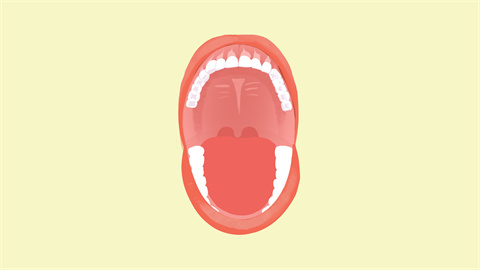
1. Environmental Factors
Dry air can reduce the humidity in the mouth, accelerating evaporation of saliva, causing the mucous membrane of the palate to lose moisture and feel dry. Remaining in air-conditioned rooms for extended periods, where humidity is low, can similarly accelerate saliva evaporation, intensifying the sensation of dryness in the palate. Symptoms may include thirst and dry, cracked lips. It is recommended to maintain appropriate indoor humidity using humidifiers and to drink plenty of water to ensure sufficient hydration.
2. Lifestyle Habits
Normal breathing should occur through the nasal cavity, which warms, humidifies, and filters the air. Habitual mouth breathing allows air to enter directly into the oral cavity without passing through the nasal passages, thus lacking humidification. This can cause dryness of the mouth and palate, possibly accompanied by snoring and sore throat. It is recommended to try to change breathing habits and breathe through the nose as much as possible.
3. Stomatitis
Infections caused by bacteria, viruses, or fungi may lead to stomatitis. The inflammatory response can damage the normal structure or function of salivary glands, reducing saliva secretion and causing dryness of the palate. Symptoms may include redness, swelling, pain, and bleeding of the oral mucosa. It is recommended to follow medical advice and use medications such as compound chlorhexidine mouthwash, kangfuxin solution, and amoxicillin capsules to reduce inflammation and promote healing of the oral mucosa.
4. Sjögren's Syndrome
Sjögren's syndrome is a chronic autoimmune disease that primarily affects exocrine glands, such as salivary and lacrimal glands. When these glands are attacked, their secretory function declines, leading to reduced saliva and tear production, which causes symptoms such as dry mouth and dry eyes. It is recommended to follow a physician's guidance and use medications such as hydroxychloroquine sulfate tablets and prednisone acetate tablets for treatment.
5. Diabetes
Diabetes is mainly caused by defects in insulin secretion or impaired biological function. The hyperglycemic state increases the osmotic diuretic effect, causing rapid loss of body water. Due to dehydration, patients often feel dryness in the palate, possibly accompanied by symptoms such as polydipsia, polyphagia, and polyuria. It is recommended to follow medical advice and use medications such as acarbose capsules, glimepiride tablets, and gliquidone tablets to stabilize blood glucose levels.
It is recommended to drink plenty of water daily, ensuring an intake of 1500–2000 milliliters, to help alleviate symptoms.



