


What causes dryness in the roof of the mouth?
Nov 27, 2025
Source: Cainiu Health

Dr. Lu Cheng
Introduction
In general, a dry palate may be caused by insufficient water intake, dry environment, atrophic rhinitis, Sjögren's syndrome, or xerostomia. If discomfort occurs, it is recommended to seek timely medical evaluation and treatment at a正规 hospital. In daily life, ensure adequate hydration and maintain an appropriate environmental humidity level; practice good oral hygiene by rinsing the mouth after meals; and avoid prolonged exposure to dry environments.
Generally, dryness in the palate may be caused by insufficient water intake, dry environment, atrophic rhinitis, Sjögren's syndrome, or xerostomia. If discomfort occurs, it is recommended to seek timely medical evaluation and treatment at a qualified hospital. Specific analysis is as follows:
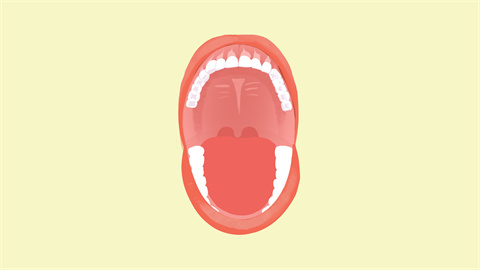
1. Insufficient water intake: When the body is dehydrated, saliva secretion decreases, causing the palatal mucosa to lose moisture and protection, leading to a sensation of dryness. Increase daily water intake by drinking small amounts of warm water frequently, avoiding consuming large quantities of water at once.
2. Dry environment: Low air humidity accelerates evaporation of moisture from mucous membranes, resulting in dryness of the palate. Use a humidifier to maintain indoor humidity between 40%–60%. Wear a mask when going outdoors to reduce moisture loss, and consume water-rich fruits such as pears and kiwifruit.
3. Atrophic rhinitis: Atrophy of nasal mucosa impairs the nose’s ability to regulate temperature and humidity, allowing dry air to directly irritate the palate. Follow medical advice to use compound menthol nasal drops, cod liver oil nasal drops, or normal saline nasal sprays. Cleanse nasal passages daily and avoid exposure to dust.
4. Sjögren's syndrome: Damage to exocrine glands reduces saliva production, causing chronic dryness of the palate along with general mouth dryness. Under medical guidance, medications such as bromhexine tablets, anethole trithione tablets, or cyclopenthionate tablets may be used, together with artificial saliva to relieve symptoms. Maintain good oral hygiene.
5. Xerostomia (Dry Syndrome): Autoimmune abnormalities attack exocrine glands, impairing salivary gland function and causing palatal dryness, often accompanied by dry eyes. As directed by a physician, methotrexate tablets, hydroxychloroquine sulfate tablets, or total glucosides of paeony capsules may be prescribed. In severe cases, salivary gland transplantation may be considered. Avoid spicy and irritating foods.
In daily life, ensure adequate hydration and maintain appropriate environmental humidity; practice proper oral hygiene by rinsing after meals; avoid prolonged exposure to dry, dusty environments; and undergo regular health check-ups for early detection and intervention of related conditions.




