


How to treat synovitis most effectively and quickly
May 20, 2025
Source: Cainiu Health

Dr. Chen Jian
Introduction
Generally speaking, there is no such thing as the "fastest and best way to treat synovitis." Synovitis may be caused by excessive exercise, being overweight, acute injuries, rheumatoid arthritis, bacterial infectious synovitis, and other factors. Measures such as general management and medication can help improve the condition. It is important to seek medical attention promptly and follow the treatment advice of a healthcare professional. The specific details are as follows:
Generally, there is no such thing as "the fastest and best treatment for synovitis." Synovitis may be caused by excessive exercise, being overweight, acute injuries, rheumatoid arthritis, bacterial infectious synovitis, and other factors. Improvement can be achieved through general treatments, medication, and other measures. Prompt medical attention is necessary, and treatment should follow medical advice. Specific details are as follows:
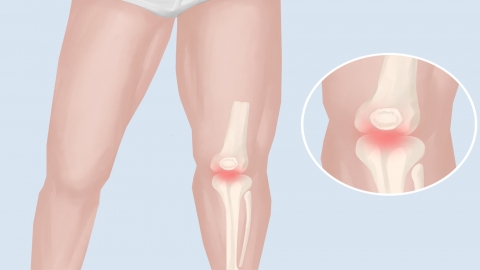
1. Excessive exercise: Prolonged and repetitive exercise, especially overuse of weight-bearing joints such as the knee and hip joints, can increase stress on the joint surfaces and accelerate wear and tear, leading to hyperemia and swelling of the synovial tissue and increased joint effusion, resulting in synovitis. Activity of the affected limb should be reduced to avoid further damage to the synovium.
2. Overweight: Excess body weight accelerates the wear and tear of joint cartilage and causes uneven pressure on the cartilage surface, stimulating the synovium and causing inflammation. Weight can be reduced through dietary control and moderate exercise, thus reducing the burden on the joints. Activity of the affected limb should be reduced to avoid further damage to the synovium.
3. Acute injury: Acute injuries such as meniscus injury, knee sprain, and synovial damage can cause hyperemia, edema, and inflammatory reactions in the synovial tissue, leading to severe joint pain accompanied by swelling. Anti-inflammatory and analgesic medications such as ibuprofen tablets, compound chlorzoxazone dispersible tablets, and diclofenac sodium enteric-coated tablets may be used as directed by a physician.
4. Rheumatoid arthritis: Rheumatoid arthritis is a disease in which the immune system attacks the body's own synovial tissue, causing hyperemia, edema, and inflammatory reactions in the synovium, resulting in joint stiffness. Pain relief and anti-inflammatory medications such as indomethacin capsules, methotrexate tablets, and cyclosporine soft capsules may be used under a doctor's guidance.
5. Bacterial infectious synovitis: Synovitis caused by bacterial infection occurs because the synovial bursa contains many blood vessels but has poor resistance, making it susceptible to bacterial invasion and inflammatory reactions, often accompanied by chills. Medications such as norfloxacin capsules, cefixime capsules, and penicillin V potassium tablets should be used as directed by a physician to kill the bacteria and control the infection.
During treatment, it is important to follow medical instructions, take medications on time, and adjust lifestyle and dietary habits to promote recovery.




