


Can synovitis be cured?
Jul 11, 2025
Source: Cainiu Health

Dr. Chen Jian
Introduction
In general, if a patient with synovitis has a mild condition, it can usually be cured; however, if the condition is severe, it may not be curable. If discomfort symptoms occur, it is recommended to seek timely treatment at a reputable hospital. During the treatment period, it is important to develop good lifestyle habits, such as avoiding excessive joint loading, maintaining moderate exercise, and controlling body weight to reduce joint pressure.
Generally, if a patient with synovitis has a mild condition, it can usually be cured; however, if the condition is severe, it cannot be completely cured. If discomfort symptoms occur, it is recommended to seek timely treatment at a regular hospital. Detailed analysis is as follows:
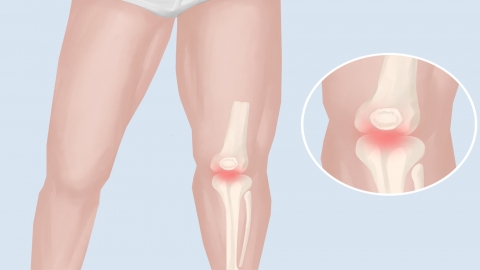
When a patient with synovitis has a mild case, the condition is usually curable. Mild synovitis often involves localized inflammation, with relatively minor damage to the synovium, and no significant synovial proliferation or excessive joint effusion. At this stage, timely rest, avoiding excessive weight-bearing or strenuous activity of the affected joint, combined with physical therapy and necessary medication, can effectively control the inflammatory response and promote healing of the synovium. Most patients experience gradual resolution of inflammation, significant relief of joint pain and swelling, and restoration of joint function after proper treatment, achieving clinical recovery.
If a patient's synovitis is severe, it is usually difficult to cure completely. Severe synovitis may involve significant synovial proliferation and thickening, long-term accumulation of large amounts of fluid within the joint, and even involvement of surrounding tissues such as articular cartilage and ligaments, leading to irreversible damage to the joint structure. At this stage, even with active comprehensive treatment, it is often only possible to alleviate symptoms and slow disease progression, without fully restoring normal synovial function or the original state of the joint. The condition tends to recur easily and may have a long-term impact on the patient's daily life and joint mobility.
During treatment, it is important to develop good lifestyle habits, such as avoiding excessive joint loading, maintaining moderate exercise, controlling body weight to reduce joint stress, and following a healthy diet to aid recovery.




