How can I determine if I have a sexually transmitted disease (STD)?
May 20, 2025
Source: Cainiu Health

Dr. Cao Zhiqiang
Introduction
To determine whether you have a sexually transmitted disease, you can observe the genital area, pay attention to any discharge, check for urinary symptoms, monitor lymph node status, and review your sexual and contact history. It is recommended to maintain cleanliness of the genital area and surrounding skin in daily life, practice safe sex, and have a regular sexual partner to prevent the spread of sexually transmitted diseases.
Generally, one can determine whether they may have a sexually transmitted disease (STD) by observing the genital area, paying attention to any abnormal secretions, checking for urinary symptoms, monitoring lymph node conditions, and reviewing sexual activities and contact history. If any abnormalities are noticed, prompt medical consultation is recommended. The specific methods are as follows:
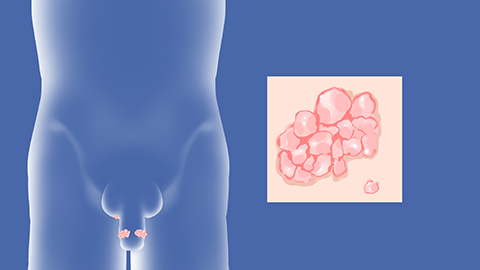
1. Observe the genital area: Check for any abnormal changes in the genitals, such as redness, swelling, itching, pain, rashes, ulcers, or abnormal growths. These symptoms may indicate early signs of an STD, suggesting local inflammation or infection.
2. Monitor secretions: Pay attention to any abnormal secretions from the urethra or vagina, including changes in color, odor, or consistency. For example, gonorrhea may cause purulent discharge from the urethra, while syphilis may present with abnormal secretions accompanied by other symptoms.
3. Check urinary symptoms: Be aware of any abnormal urinary symptoms, such as frequent urination, urgency, or painful urination. These symptoms could indicate involvement of the urinary system due to an STD, suggesting possible infection in areas such as the urethra.
4. Monitor lymph node status: Check whether lymph nodes in areas such as the groin are swollen. During an STD, lymph nodes may swell and become tender, which is a common physical sign of such diseases.
5. Review sexual behavior and contact history: Reflect on your sexual activities and contact history to determine if there has been any unsafe sexual behavior or close contact with individuals who have STDs. These factors increase the risk of contracting an STD. If such situations exist alongside the above symptoms, greater vigilance for the possibility of an STD is warranted.
It is also recommended to maintain cleanliness of the genital area and surrounding skin in daily life, use protection during sexual activity, and maintain a monogamous relationship to prevent the transmission of sexually transmitted diseases.