


How to quickly manage a seafood allergy
May 21, 2025
Source: Cainiu Health

Dr. Liu Wenmin
Introduction
The rapid management of seafood allergies primarily includes immediately stopping seafood consumption, keeping the skin clean and avoiding scratching, applying cold compresses to the affected skin area, taking antihistamine medications, and seeking professional medical assistance. It is recommended to pay attention to your body's reactions in daily life; if suspected allergic symptoms occur, discontinue contact with or consumption of potentially allergenic substances immediately.
Fast treatment methods for seafood allergy mainly include immediately stopping the consumption of seafood, keeping the skin clean and avoiding scratching, applying cold compresses to the affected skin areas, taking anti-allergy medications, and seeking professional medical assistance. A detailed explanation is as follows:
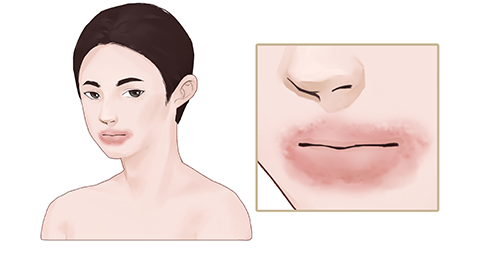
1. Immediately stop consuming seafood: Once allergic symptoms to seafood appear, consumption of any seafood products should be stopped immediately to prevent further aggravation of the allergic reaction. This is the primary step in managing a seafood allergy and can effectively prevent worsening symptoms.
2. Keep skin clean and avoid scratching: During an allergic reaction, the skin should be kept clean and dry, avoiding washing with hot water or irritating soap. Additionally, scratching the affected area should be avoided as much as possible to prevent damage to skin integrity and reduce the risk of infection. The skin can be gently dried using a soft towel, and an appropriate amount of moisturizing cream can be applied to relieve dryness.
3. Apply cold compresses: When skin rashes, itching, or swelling occur, cold compresses can be used to alleviate allergic symptoms. Wrap ice cubes in a clean towel and gently place them over the affected area for 5–10 minutes per session. This helps reduce redness, swelling, and irritation.
4. Take anti-allergy medications: Under a doctor's guidance, oral antihistamine medications such as cetirizine or loratadine can be taken. These medications block histamine receptors, thereby relieving allergy symptoms such as itching and redness. It is essential to follow the instructions provided in the medication leaflet or by a physician to avoid overdose or improper use.
5. Seek professional medical help: If symptoms of allergy are severe—for example, difficulty breathing, throat swelling, dizziness, palpitations, or other serious manifestations—immediate medical attention should be sought, or emergency medical services should be contacted. Doctors will provide appropriate treatments based on the patient's condition, which may include administering adrenaline, corticosteroids, or other medications to alleviate the allergic reaction and potentially save the patient's life.
It is recommended to pay attention to your body's reactions in daily life. If allergy symptoms are suspected, immediately stop contact with or consumption of suspected allergenic substances. Additionally, maintaining clean and dry skin can help reduce the risk of developing skin-related conditions.






