


Can I eat lily bulbs during my menstrual period?
May 21, 2025
Source: Cainiu Health

Dr. Zhang Lu
Introduction
Under normal circumstances, women can consume lily bulbs during their menstrual period. Lily bulbs are neutral in nature and sweet in taste, and they have functions of nourishing yin and moistening the lungs, as well as clearing the heart and calming the mind. They are suitable for symptoms such as cough caused by lung heat and insomnia with frequent dreams. Women with balanced body constitution and no special contraindications can moderately consume lily bulbs during menstruation, which may help alleviate mood swings, insomnia, and other issues caused by blood loss and hormonal changes during the menstrual period.
Generally speaking, lily can be consumed during menstruation, but it should be eaten in moderation. The detailed explanation is as follows:
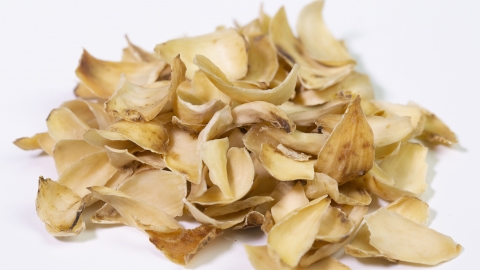
Lily is neutral in nature and sweet in taste, possessing functions of nourishing yin and moistening the lungs, clearing the heart, and calming the mind. It is suitable for symptoms such as cough caused by lung heat and insomnia with frequent dreams. Women with balanced body constitution and no specific contraindications can consume lily in moderation during their menstrual period, which may help alleviate mood swings and insomnia caused by blood loss and hormonal changes during menstruation.
Although lily is neutral in nature, excessive consumption might exacerbate tendencies toward uterine coldness in some women. Particularly for those with a cold body constitution who are prone to abdominal pain during menstruation, or whose menstrual blood appears dark or contains clots, consuming lily may cause or worsen abdominal discomfort and reduce menstrual flow. Therefore, it is recommended to consume lily in moderation during menstruation. Additionally, individuals allergic to lily should avoid consuming it to prevent allergic reactions.
During menstruation, it is advisable to eat more foods rich in iron, protein, and vitamins, such as lean meat, pork liver, and leafy green vegetables, which help replenish nutrients lost during menstruation.


