


Can people with high blood sugar eat millet porridge?
May 22, 2025
Source: Cainiu Health

Dr. Liu Feng
Introduction
When blood glucose is well controlled, millet porridge can be included as part of the diet. Choose millet porridge that hasn't been overcooked, as its starch structure remains relatively intact. Combining it with legumes or oats can help reduce the rate of glucose absorption. It is recommended to limit portion size to a small bowl and consume it with vegetables or high-quality protein sources, such as eggs or tofu, to further delay sugar absorption. Blood glucose levels should be monitored after meals, and large amounts of porridge should be avoided on an empty stomach.
Under normal circumstances, individuals with high blood sugar may consume a small amount of millet porridge when their blood glucose is stable and they are managing portion sizes. However, if blood sugar levels fluctuate significantly or strict sugar control is required, it should be avoided. If abnormalities occur, prompt medical consultation is recommended. Detailed explanation is as follows:
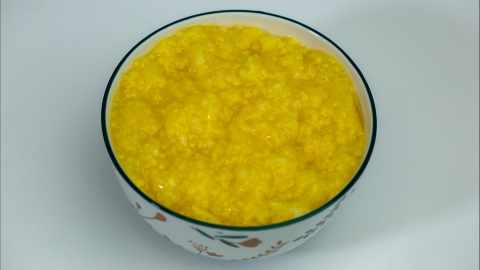 When blood sugar is well-controlled, millet porridge can be included as part of the diet. Choosing millet porridge that is not overcooked helps maintain a relatively intact starch structure. Combining it with legumes or oats can slow down the rate of glucose increase. It is recommended to limit the portion to a small bowl and consume it alongside vegetables or high-quality protein sources such as eggs or tofu to delay sugar absorption. Blood glucose should be monitored after meals, and large amounts should not be consumed on an empty stomach.
Avoid consumption when blood sugar fluctuates frequently or rapid control is needed. Prolonged cooking increases the gelatinization of starch in millet porridge, accelerating digestion and absorption, which may lead to a rapid rise in blood sugar. Adding sweet ingredients like red dates or brown sugar further increases the sugar load and metabolic stress. At such times, it is recommended to choose whole grains like brown rice or quinoa to minimize the risk of blood sugar fluctuations.
Additionally, patients should regularly monitor their blood glucose levels and adjust dietary plans and treatment strategies accordingly.
When blood sugar is well-controlled, millet porridge can be included as part of the diet. Choosing millet porridge that is not overcooked helps maintain a relatively intact starch structure. Combining it with legumes or oats can slow down the rate of glucose increase. It is recommended to limit the portion to a small bowl and consume it alongside vegetables or high-quality protein sources such as eggs or tofu to delay sugar absorption. Blood glucose should be monitored after meals, and large amounts should not be consumed on an empty stomach.
Avoid consumption when blood sugar fluctuates frequently or rapid control is needed. Prolonged cooking increases the gelatinization of starch in millet porridge, accelerating digestion and absorption, which may lead to a rapid rise in blood sugar. Adding sweet ingredients like red dates or brown sugar further increases the sugar load and metabolic stress. At such times, it is recommended to choose whole grains like brown rice or quinoa to minimize the risk of blood sugar fluctuations.
Additionally, patients should regularly monitor their blood glucose levels and adjust dietary plans and treatment strategies accordingly.




