


How long does it take to cook crayfish until they are fully done?
May 24, 2025
Source: Cainiu Health

Dr. Shen Yonghua
Introduction
For regular-sized crayfish, cook for 10–12 minutes after the water reaches a boil: first bring the water to a boil over high heat, then add the prepared crayfish (with the antennae, legs trimmed and the intestinal tract removed), along with slices of ginger and cooking wine to reduce fishy odor. Continue boiling over high heat for 5 minutes until the shells turn red, then reduce the heat to medium and continue cooking for another 5–7 minutes to ensure the crayfish meat is fully cooked through.
Crayfish usually needs to be cooked for 10-15 minutes to be fully done, with the exact time adjusted according to the size of the crayfish and the cooking method.
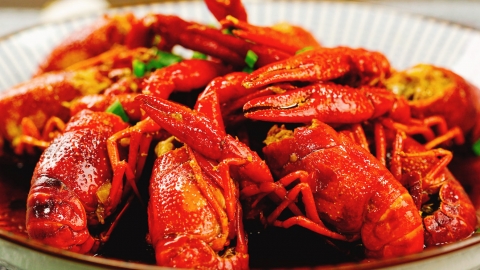
For regular-sized crayfish, cook for 10-12 minutes after the water reaches a boil: first bring the water to a high heat boil, add the prepared crayfish along with ginger slices and cooking wine to remove fishy odor, maintain high heat for 5 minutes to turn the shells red, then switch to medium heat and continue cooking for another 5-7 minutes to ensure the meat is fully cooked. If the crayfish are larger, extend the cooking time to 12-15 minutes to prevent undercooking in the center which may lead to bacterial contamination.
Cooking for too short a time may result in undercooked meat, which not only affects texture but can also cause food safety issues like diarrhea. Cooking for too long can make the meat tough and dry, affecting flavor. Additionally, if adding a large amount of accompanying ingredients, they can be added when the crayfish has cooked for 8 minutes, and then cooked together for 5-7 minutes to ensure all ingredients are fully done. To determine if the crayfish is fully cooked, observe the tail.
A fully cooked tail will naturally curl up. When the shell is removed, the meat should appear white, firm, and elastic, with no translucent or dark red raw areas. It is recommended to consume cooked crayfish promptly to avoid bacterial growth from prolonged storage, which may cause abdominal pain, diarrhea, and other symptoms after consumption.


