


What is the difference between syphilis and AIDS?
May 26, 2025
Source: Cainiu Health

Dr. Liu Wenmin
Introduction
Syphilis is caused by infection with Treponema pallidum (bacteria) and is classified as a bacterial sexually transmitted disease; AIDS is caused by human immunodeficiency virus (HIV) infection and belongs to viral diseases.
2. Differences in main routes of transmission: Both are primarily transmitted through sexual contact, blood, and mother-to-child transmission, however syphilis can also be transmitted vertically through the placenta, and contact with broken skin may also lead to infection.
Syphilis and HIV/AIDS generally differ in the following aspects: different pathogens, differences in preferred routes of transmission, variations in disease progression, distinct clinical manifestations, and different diagnostic methods.
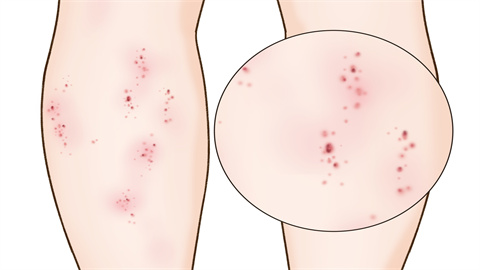
1. Different pathogens: Syphilis is caused by infection with Treponema pallidum (a bacterium) and is classified as a bacterial sexually transmitted disease; AIDS is caused by infection with the human immunodeficiency virus (HIV) and is categorized as a viral disease.
2. Differences in preferred routes of transmission: Both diseases are primarily transmitted through sexual contact, blood, and from mother to child. However, syphilis can also be transmitted vertically through the placenta, and infection may occur through contact with broken skin; HIV transmission from mother to child more commonly occurs through bodily fluid exchanges such as during breastfeeding and passage through the birth canal.
3. Variations in disease progression: Syphilis has clear stages of progression. The primary stage presents as a chancre, the secondary stage may include skin rashes and systemic symptoms, and the tertiary stage can affect the cardiovascular system, nervous system, and other organs. AIDS is divided into acute phase, latency phase, and full-blown AIDS. The latency period is long, and opportunistic infections and tumors develop in the late stages due to immune deficiency.
4. Distinct clinical manifestations: Early syphilis mainly presents with mucocutaneous lesions, while late stages may involve gummas and aortitis. The acute phase of HIV infection resembles influenza, the latency phase is asymptomatic, and the late stage may present with persistent fever, weight loss, Pneumocystis pneumonia, Kaposi's sarcoma, and other severe complications.
5. Different diagnostic methods: Syphilis testing includes treponemal antigen serological tests and non-treponemal antigen tests; both types of test results must be interpreted together to determine infection status and treatment effectiveness. HIV diagnosis mainly involves antibody/antigen testing and nucleic acid testing, and confirmation requires confirmatory testing at a disease control center.
Different strategies and measures are required for the prevention and treatment of these two diseases. In daily life, it is important to develop healthy lifestyle habits, ensure adequate sleep, avoid staying up late, maintain a cheerful mood, and avoid negative emotions such as anxiety and depression, all of which are beneficial to overall health.



