


Can pregnant women eat onions?
Jun 06, 2025
Source: Cainiu Health

Dr. Yu Yongchao
Introduction
Mothers can consume onions in moderation, but should pay attention to their constitution and cooking methods. During the postpartum recovery period, mothers can generally eat onions适量 (in moderation). Onions are rich in vitamin C, dietary fiber, potassium, selenium, and other components, which help enhance immunity, promote intestinal motility, and alleviate postpartum constipation. The sulfides in onions have antibacterial and anti-inflammatory properties, which may help prevent infections.
Generally, postpartum women can consume onions in moderation but should pay attention to their physical condition and cooking methods. The specific analysis is as follows:
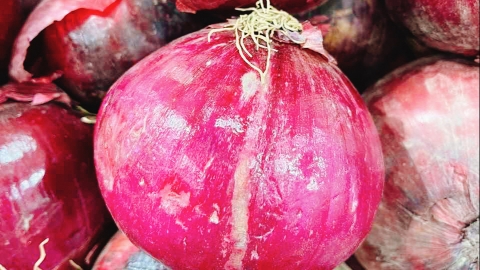
During the postpartum recovery period, women can usually consume onions in moderate amounts. Onions are rich in vitamin C, dietary fiber, potassium, selenium, and other components that help enhance immunity, promote intestinal motility, and relieve postpartum constipation. Sulfur compounds in onions have antibacterial and anti-inflammatory properties and may help prevent infections. However, onions are spicy and stimulating; excessive consumption may irritate the gastrointestinal tract, causing stomach pain, bloating, or indigestion, particularly for women who have had a cesarean section or have a weaker digestive system, so caution is advised. It is recommended to cook onions thoroughly or stew them until tender to reduce irritation and avoid eating them raw.
For breastfeeding mothers, onions might cause breast milk to develop a distinctive odor, which could lead some infants to refuse breastfeeding or experience gastrointestinal discomfort. Close observation of the infant's reaction is necessary. If the mother experiences bloating, increased flatulence, or a change in the taste of breast milk after consumption, she should immediately reduce intake or stop eating onions altogether. Additionally, if the mother is allergic to onions, allergic reactions such as itchy skin or rashes may occur after consumption, and onions should be strictly avoided.
Postpartum women should pay attention to pairing onions with light ingredients and avoid consuming them with greasy or spicy foods to prevent additional strain on the digestive system. It is recommended to cook onions together with protein-rich foods or vegetables, which not only enhances nutritional value but also masks the pungent odor of onions. Postpartum women should maintain a balanced diet and consume adequate amounts of foods rich in protein, iron, and calcium to promote recovery and lactation. If concerns arise, consulting a doctor or nutritionist for a personalized dietary plan is advisable.





