


Can kidney beans and onions be eaten together?
Jun 09, 2025
Source: Cainiu Health

Dr. Yu Yongchao
Introduction
Under normal circumstances, kidney beans and onions can be consumed together, but it is important to eat them in moderation. Kidney beans are rich in plant protein, dietary fiber, B-complex vitamins, and minerals such as potassium and magnesium, and they help strengthen the spleen, remove dampness, and regulate blood sugar levels. Onions contain sulfides, quercetin, vitamin C, and prostaglandin A, which help fight bacterial infections, reduce inflammation, lower blood lipids, and promote blood circulation.
Under normal circumstances, kidney beans and onions can be consumed together, but it is important to eat them in moderation. A detailed explanation is as follows:
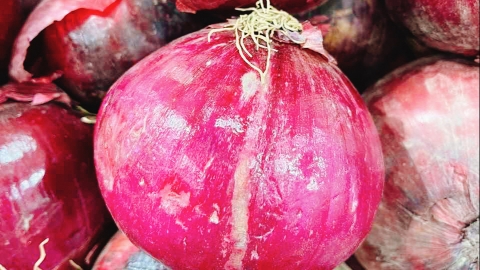
Kidney beans are rich in plant protein, dietary fiber, B-complex vitamins, and minerals such as potassium and magnesium. They have functions of strengthening the spleen, promoting diuresis, and regulating blood sugar levels. Onions contain sulfides, quercetin, vitamin C, and prostaglandin A, which have antibacterial and anti-inflammatory effects, can lower blood lipids, and promote blood circulation. There are no contraindications or chemical interactions between these ingredients, and their effects are complementary. The dietary fiber in kidney beans can reduce the irritation of onion's spiciness on the gastrointestinal tract, while the antioxidant components in onions can enhance the absorption rate of minerals in kidney beans, making them suitable for regular consumption together.
The dietary fiber in kidney beans delays carbohydrate absorption, while quercetin in onions inhibits fat synthesis, making this combination suitable for people with diabetes or high blood lipids. The B-complex vitamins in kidney beans work together with vitamin C in onions to promote cell repair and antibody production. However, it is important to consume them in moderation, as excessive consumption may lead to indigestion or other health problems.
Although kidney beans and onions can generally be consumed together, individual body conditions and health statuses vary. If you have specific medical conditions or a history of allergies, it is recommended to consult a doctor or nutritionist before consumption. It is also advisable to focus on dietary diversity and balance in daily meals, avoiding excessive intake of a single food or nutrient.





