


Can Ophiopogon japonicus treat cerebrovascular disease?
Jun 10, 2025
Source: Cainiu Health

Dr. Sun Lianqing
Introduction
In general, Ophiopogon japonicus (Mai Dong) can serve as an adjunctive therapy for cerebrovascular diseases, but its efficacy is limited and it is not a primary treatment for such conditions. Patients are advised to use it under the guidance of a qualified physician. Mai Dong has certain neuro-nourishing effects and can promote cerebral blood circulation, which may help improve thrombocytopenia symptoms and provide some adjunctive benefits in the treatment of cerebrovascular diseases.
Generally, Ophiopogon japonicus (McDoor) can assist in the treatment of cerebrovascular diseases, but its effectiveness is limited and it is not a primary treatment method for such diseases. Patients are advised to use it under the guidance of a qualified physician. Detailed analysis is as follows:
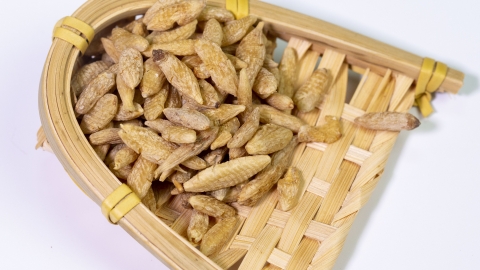
Ophiopogon japonicus has certain functions in nourishing nerves and promoting cerebral blood circulation, which may help improve thrombocytopenia and assist in the treatment of cerebrovascular diseases to some extent. Its medicinal effects, including nourishing yin to relieve dryness and clearing the heart to calm the mind, can also help alleviate some symptoms caused by cerebrovascular disease, such as anxiety and insomnia. This auxiliary therapeutic effect should be administered under the guidance of a professional physician as part of a comprehensive treatment plan.
However, cerebrovascular diseases include various types such as cerebral infarction and cerebral hemorrhage, with complex etiologies. Relying solely on Ophiopogon japonicus for treatment is insufficient. These conditions typically require emergency management during the acute phase and subsequent standardized treatments under medical supervision, such as antiplatelet therapy, thrombolysis, and blood pressure control. Therefore, patients are advised against self-medicating blindly to ensure efficacy and safety.
In daily life, maintaining a healthy lifestyle—including balanced nutrition, moderate exercise, smoking cessation, and limiting alcohol consumption—also helps in the prevention and management of cerebrovascular diseases.




