


Can black fungus and bean sprouts be eaten together?
Jun 11, 2025
Source: Cainiu Health

Dr. Yu Yongchao
Introduction
Black fungus (wood ear) and bean sprouts are common food ingredients that do not have any obvious incompatibility with each other. Black fungus is rich in iron, dietary fiber, and various vitamins, while bean sprouts contain abundant protein, vitamin C, and minerals such as potassium. When consumed together, they can complement each other nutritionally, helping to enhance overall nutritional value and promote better health.
Generally speaking, wood ear fungus (black fungus) and bean sprouts can be eaten together. Details are as follows:
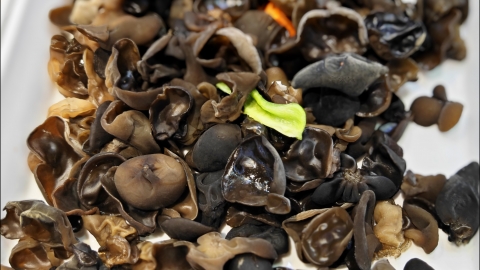
Wood ear fungus and bean sprouts are both common food ingredients and do not have any obvious incompatibility with each other. Wood ear fungus is rich in dietary fiber, iron, calcium, and other nutrients, which helps promote digestion and enhance immunity. Bean sprouts contain abundant vitamins, minerals, and plant protein, which are also beneficial to health. Therefore, from a nutritional perspective, wood ear fungus and bean sprouts can be consumed together, as their nutritional components can complement each other and provide more comprehensive nutrition for the body.
Some patients with kidney disease may need to limit the intake of certain nutrients, such as potassium. Since bean sprouts are relatively high in potassium, individuals in this category should consume them in moderation. For those with weak digestive function, wood ear fungus contains a significant amount of plant fiber, and excessive consumption may lead to indigestion or bloating. Some individuals may be allergic to either wood ear fungus or bean sprouts, and in such cases, it is not recommended to eat them together.
In daily diet, it is recommended to appropriately combine foods according to individual constitution and health conditions. While enjoying delicious food, attention should also be paid to balanced intake of various nutrients, avoiding excessive consumption of a single food item, in order to maintain good health.


