


Can chestnuts and oranges be eaten together?
Jun 11, 2025
Source: Cainiu Health

Dr. Yu Yongchao
Introduction
Chestnuts are rich in starch, protein, fat, and various B-vitamins, while oranges are abundant in vitamin C, citric acid, and other nutrients. For most healthy individuals, consuming chestnuts and oranges together in moderation can provide a wide range of nutrients, helping to maintain overall health. In this case, it is acceptable to eat chestnuts and oranges together.
Generally speaking, chestnuts and oranges can be consumed together. Details are as follows:
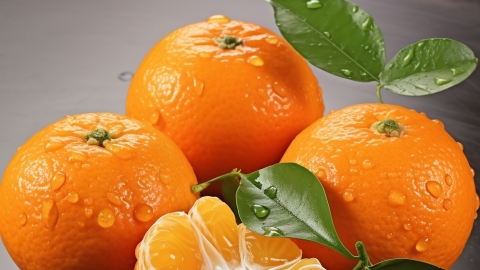
For healthy individuals, chestnuts are rich in protein, vitamin B complex, and minerals, while oranges contain abundant vitamin C and dietary fiber. When consumed together, they can complement each other nutritionally, providing more comprehensive nutrients. The starch in chestnuts and the fructose and fiber in oranges can be effectively digested and absorbed by the human body under normal digestive system function, without causing adverse reactions.
However, chestnuts contain a relatively high amount of starch, which is not easily digested, and oranges contain citric acid that may irritate the gastric mucosa. For individuals with indigestion or sensitive gastrointestinal systems, excessive consumption of chestnuts and oranges may increase the gastrointestinal burden, leading to discomfort symptoms such as bloating and abdominal pain. Both chestnuts and oranges contain certain amounts of sugar, so individuals with diabetes need to control their sugar intake. Excessive consumption of chestnuts and oranges may lead to elevated blood sugar levels, which is not conducive to disease management.
In daily life, before trying new food combinations, it is recommended to assess whether they are suitable for consumption based on individual constitution and health status to avoid adverse reactions.






